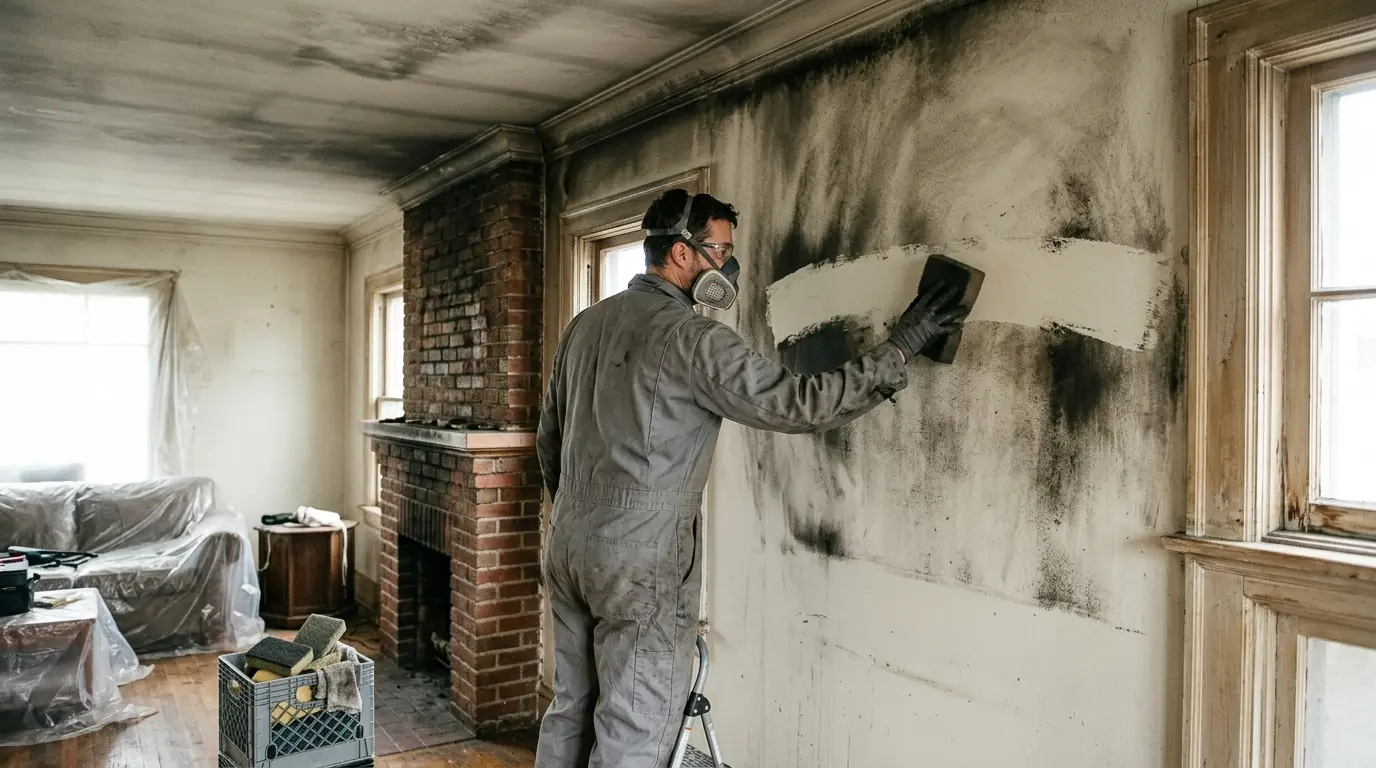
Answering 24/7 in Detroit and Grand Blanc
Fire and smoke damage restoration in Detroit, from board‑up to rebuild
A house fire leaves three problems at once: an open house, walls and a basement soaked with hose water, and smoke residue that keeps working after the flames are out. We board up, pump out and start stabilizing soot on the first visit, then carry the job through odor removal, contents and the rebuild.
- Board-up and roof tarping
- Firefighting water removal
- Soot and odor cleanup
- Rebuild after the cleanup
Where did the fire start?
Each kind of fire leaves a different residue. Start with the one you had.
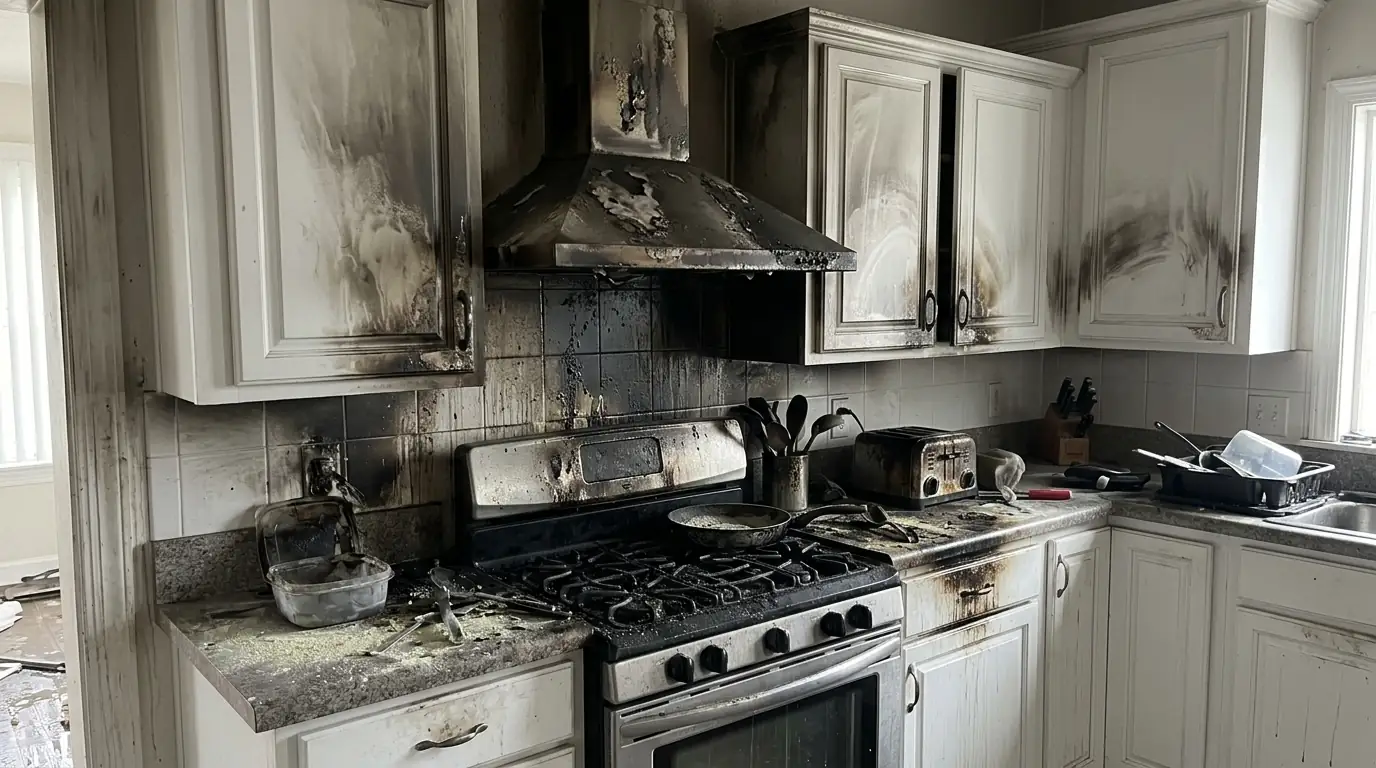 Kitchen fireGrease and protein residue on cabinets and ceilings
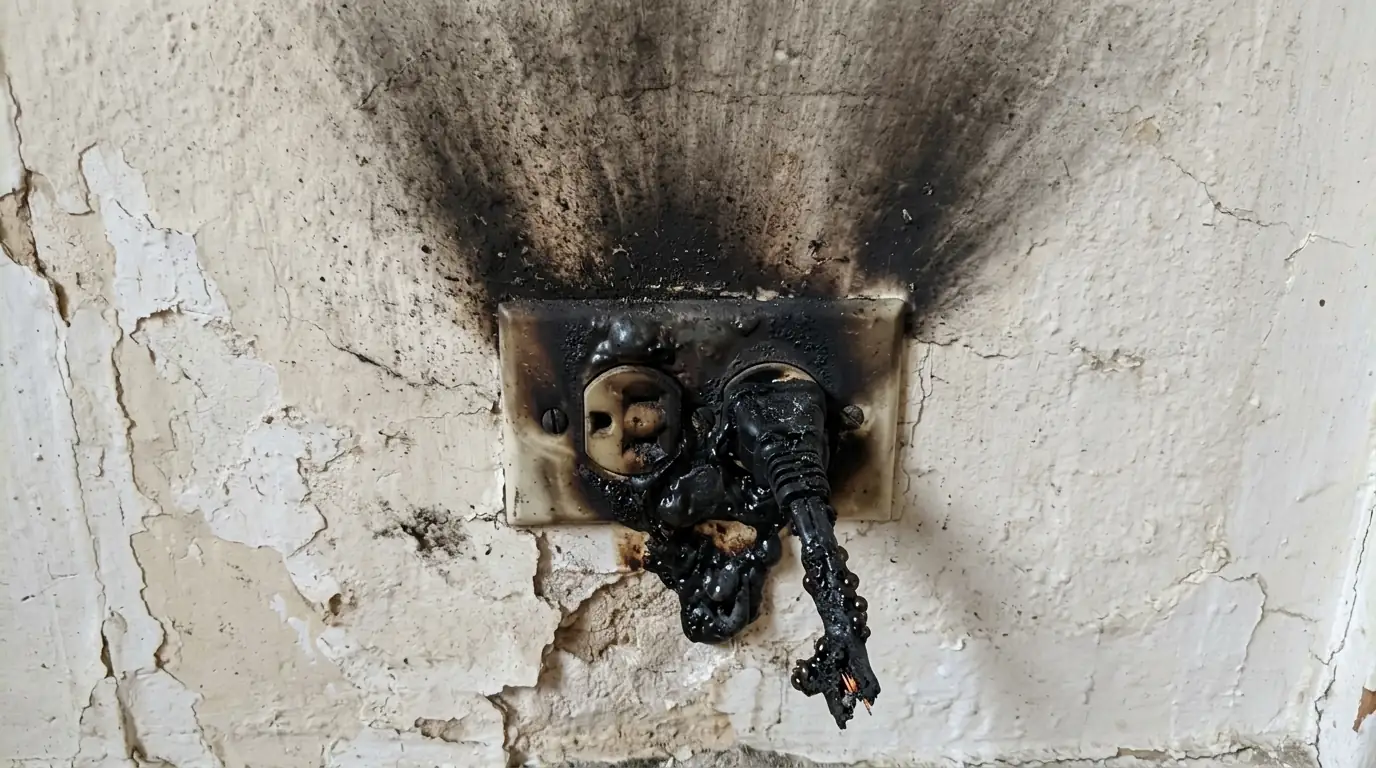 Electrical fireWire insulation smoke and corrosion on metal
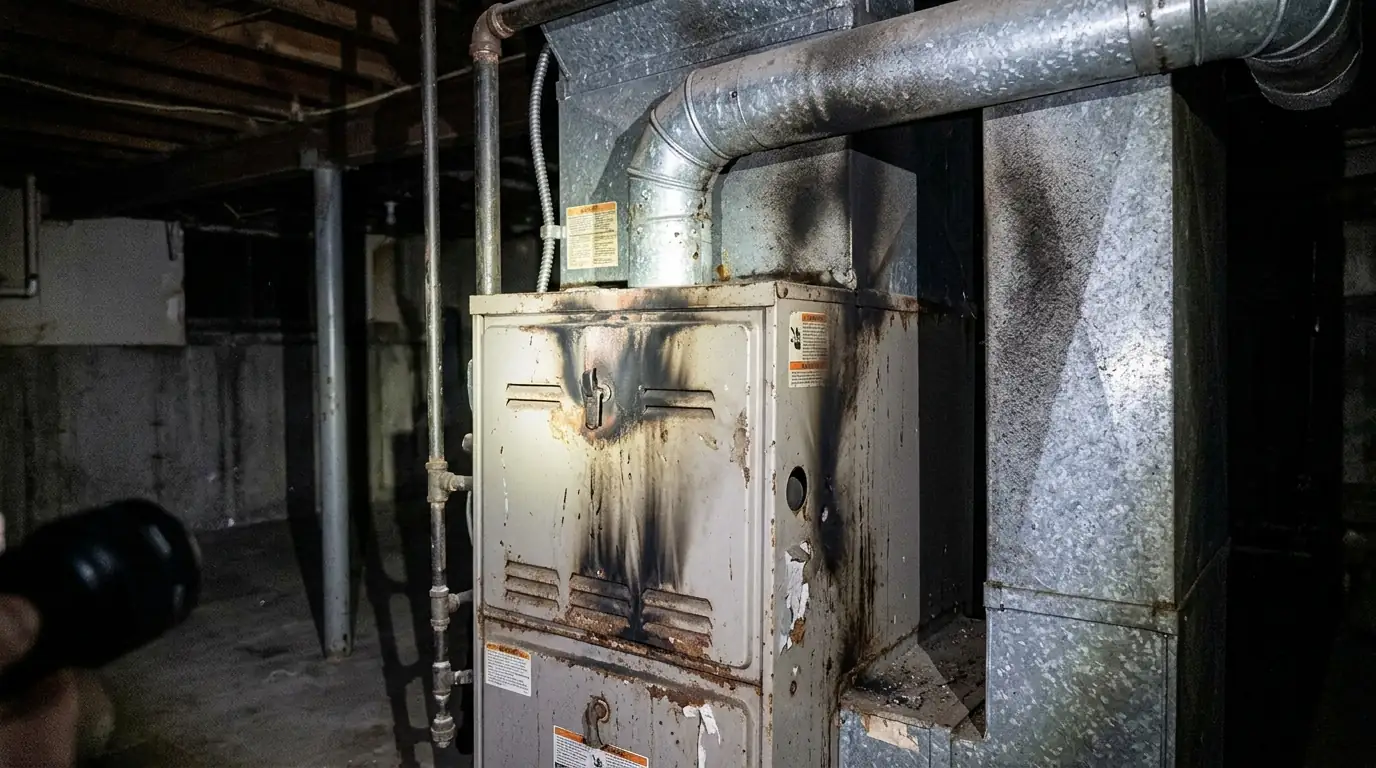 Furnace puff-backOily soot pushed out through the ducts
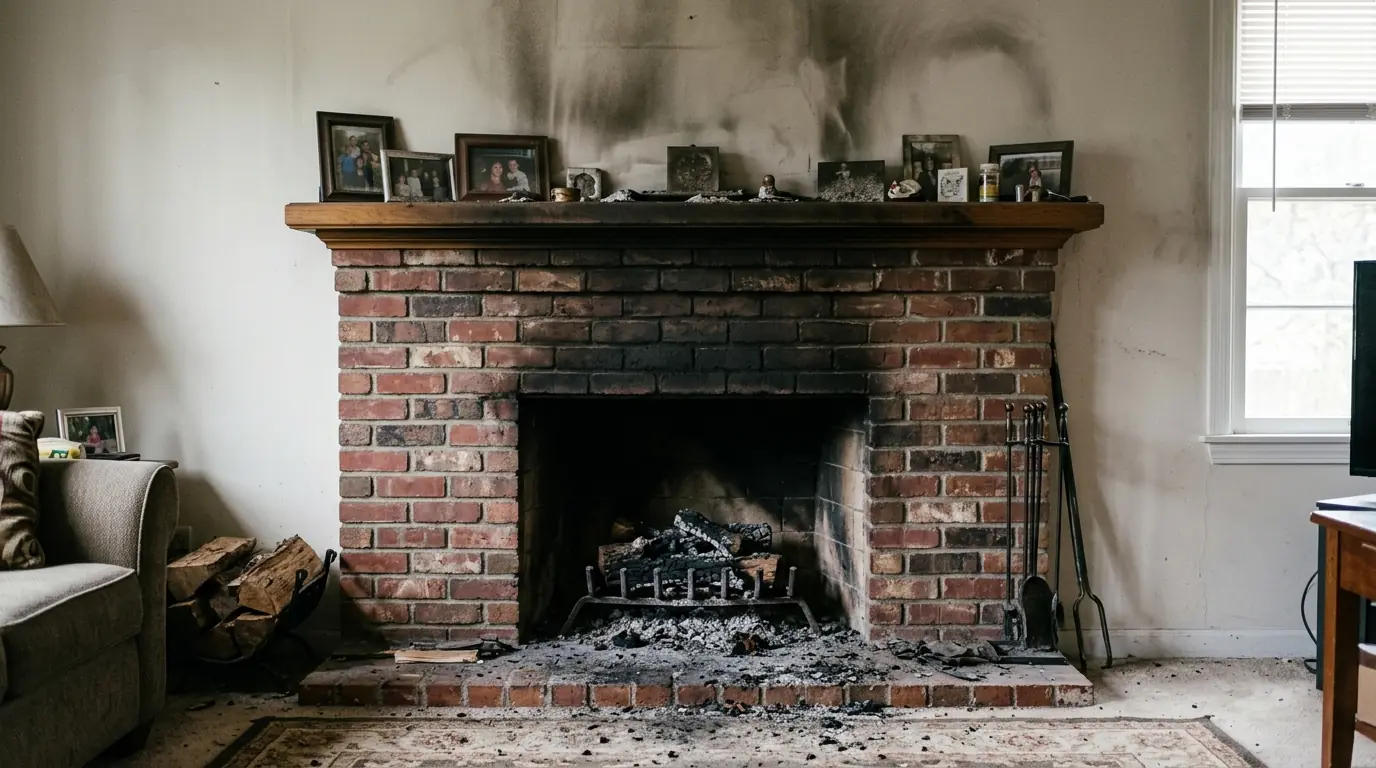 Fireplace or chimneyBackdraft soot on brick, mantel and walls
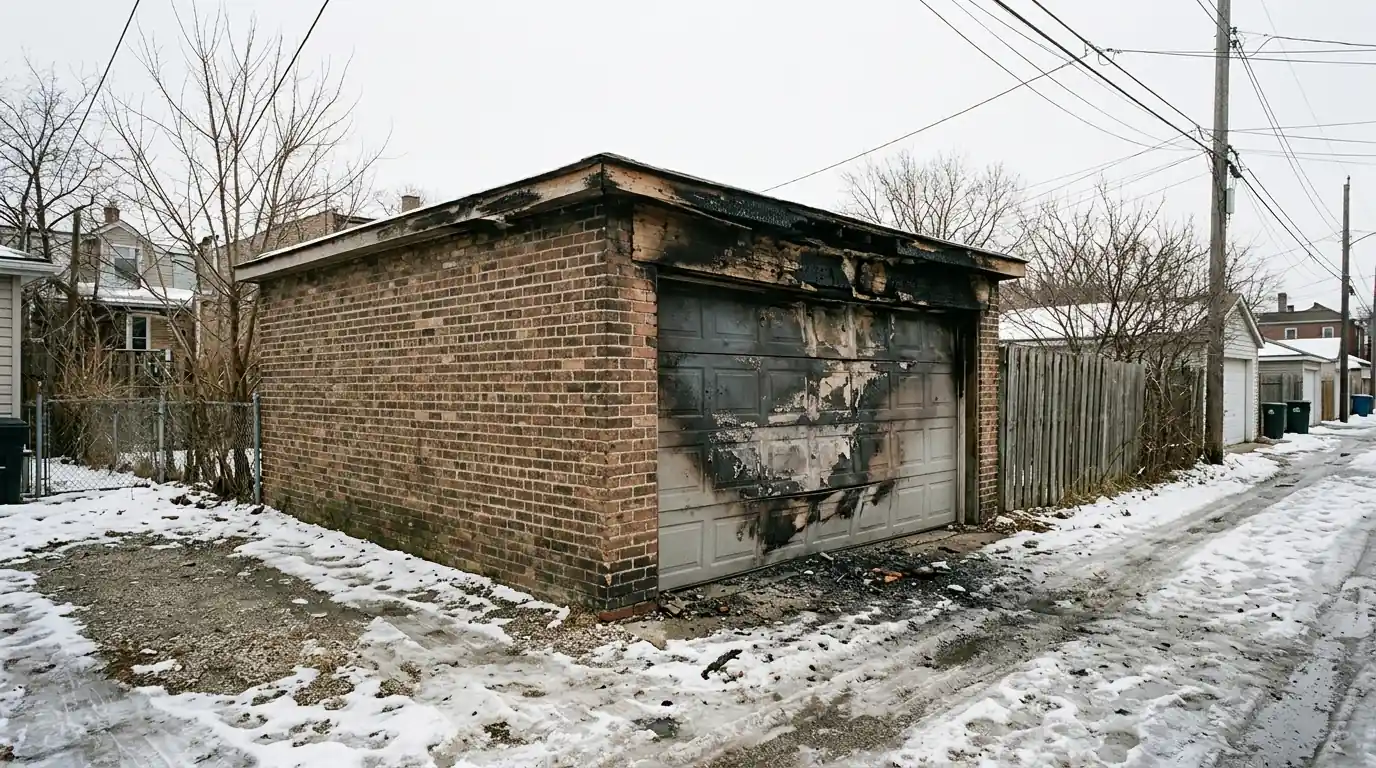 Garage fireFuel and chemical smoke drawn into the house
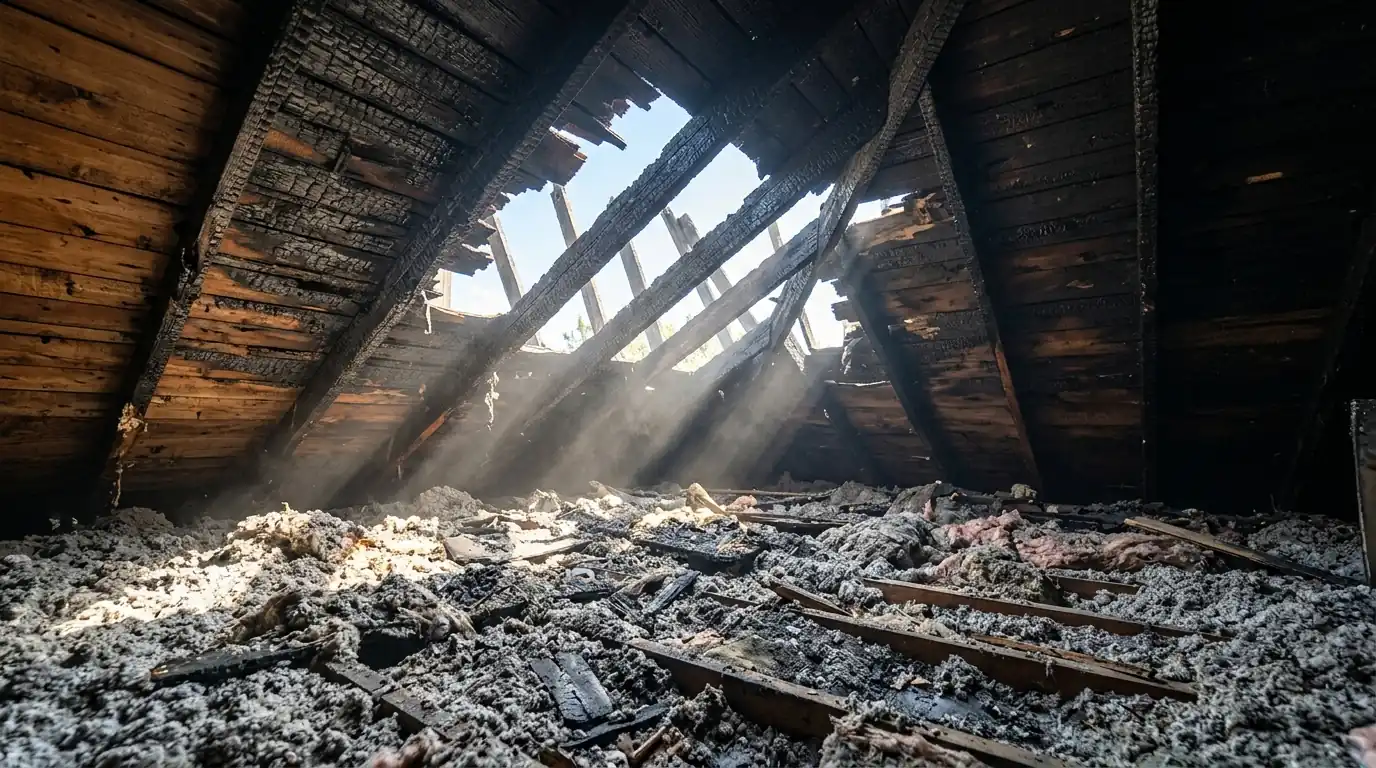 Attic fireCharred rafters and soaked insulation
Quick answer
Fire and smoke damage restoration in Detroit runs in five stages: secure the house, get the firefighting water out, clean the soot, remove the odor, then rebuild. The order matters because soot is acidic and starts discoloring glass, chrome and grout if it sits, while wet plaster and subfloors grow mold. We answer 24/7 and start board-up and water removal once the fire department releases the property.
What a fire job involves
Why a fire keeps doing damage after the flames are out
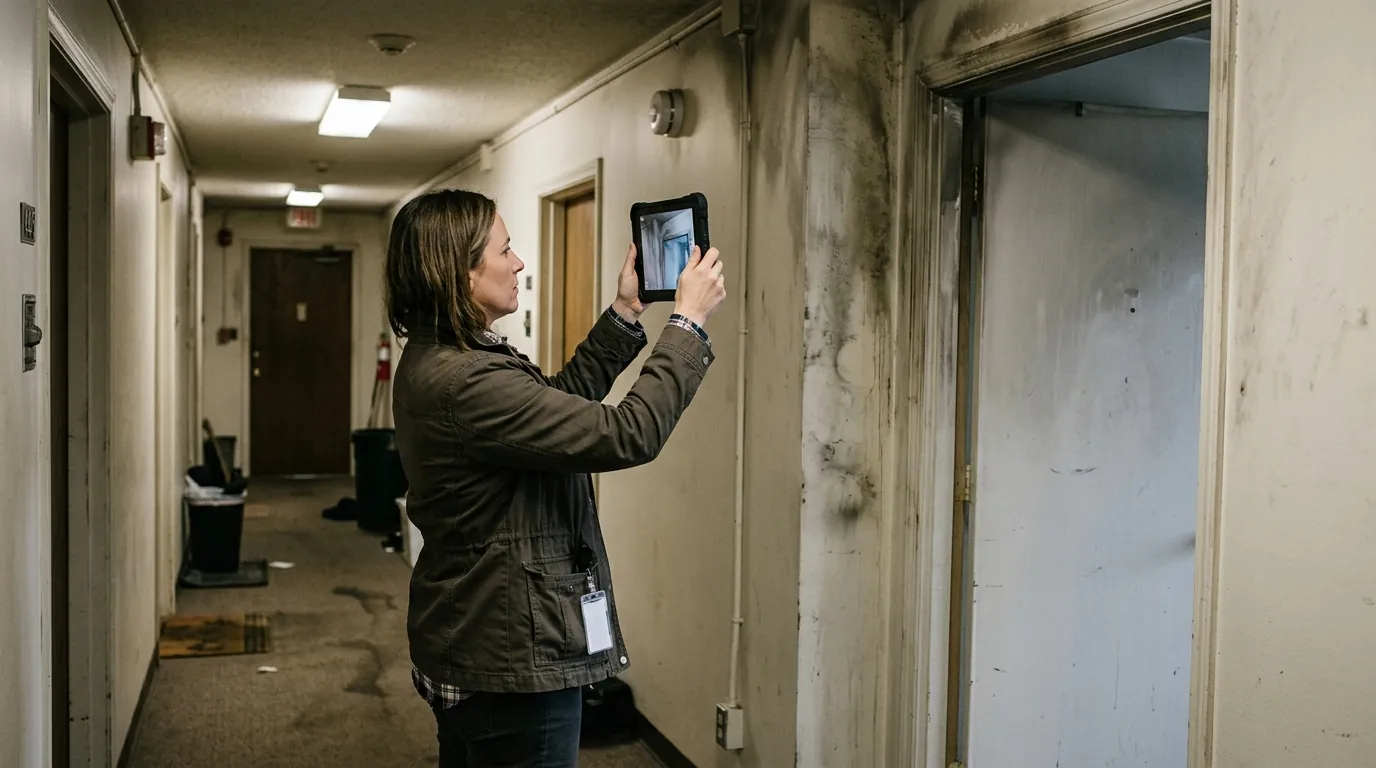
The fire department’s job ends when the fire is out. Ours starts there. By then the house usually has broken windows or a vent hole cut in the roof, water from the hose lines soaking plaster, insulation and the basement, and a film of soot on every surface the smoke reached, including rooms that never saw a flame.
Each of those problems gets worse by the day. Open windows let in weather and people. Wet plaster and subfloors start growing mold. Soot etches glass, pits chrome and yellows plastics the longer it sits, and the smell works deeper into drywall, carpet pad and wood framing.
Smoke Damage Grand Blanc keeps its head office on Saginaw Road in Grand Blanc, and Detroit work runs out of the service office on Cliff Street on the city’s northeast side. From either one we handle the whole job: the first night, the cleanup, the paperwork your insurer asks for and the rebuild. You are not coordinating four companies while you live somewhere else.
Services by stage of the loss
Every fire and smoke service we handle, grouped by where you are in the job
Most losses move through these six stages in order. Start with the one that matches where you are today; each link opens the full page for that job.
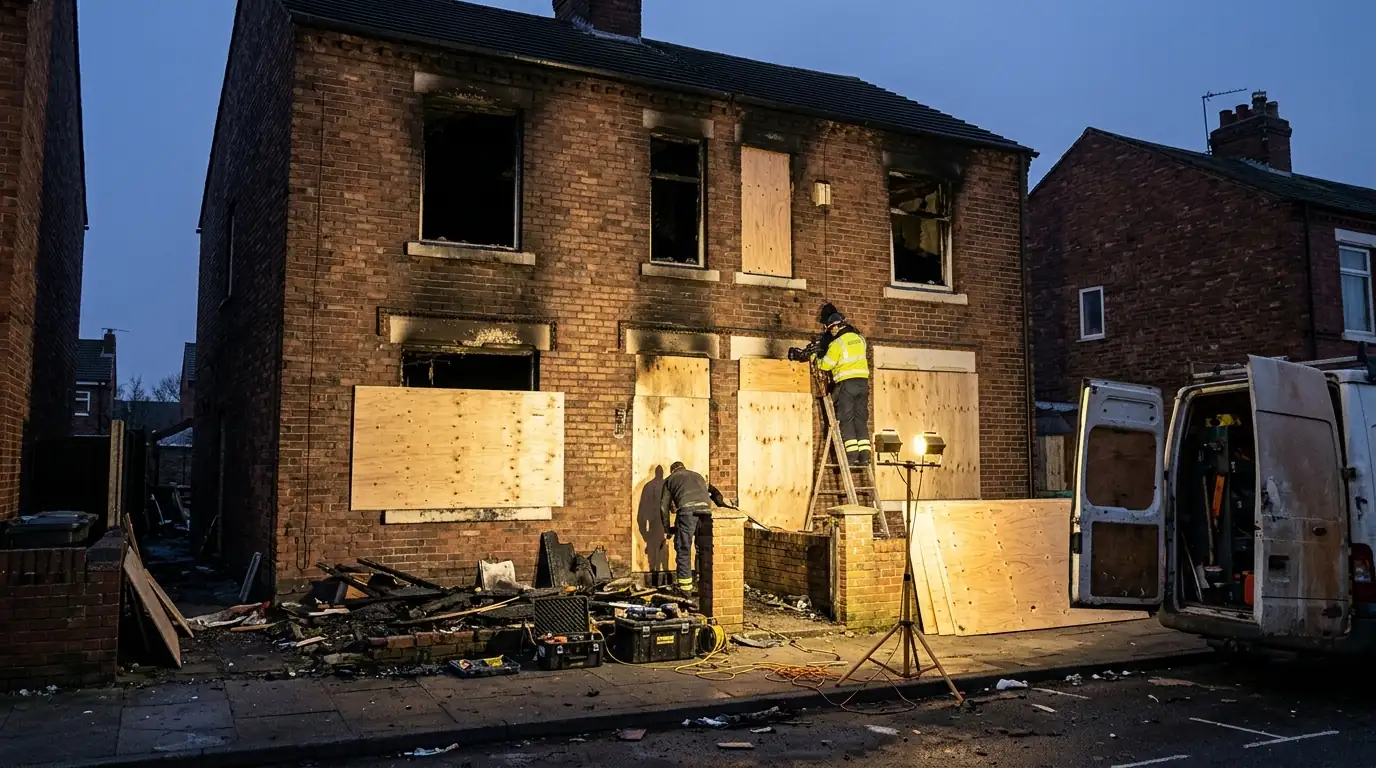 7 services
Emergency response
Securing the house, getting the water out and stopping the damage from spreading in the first hours.
 12 services
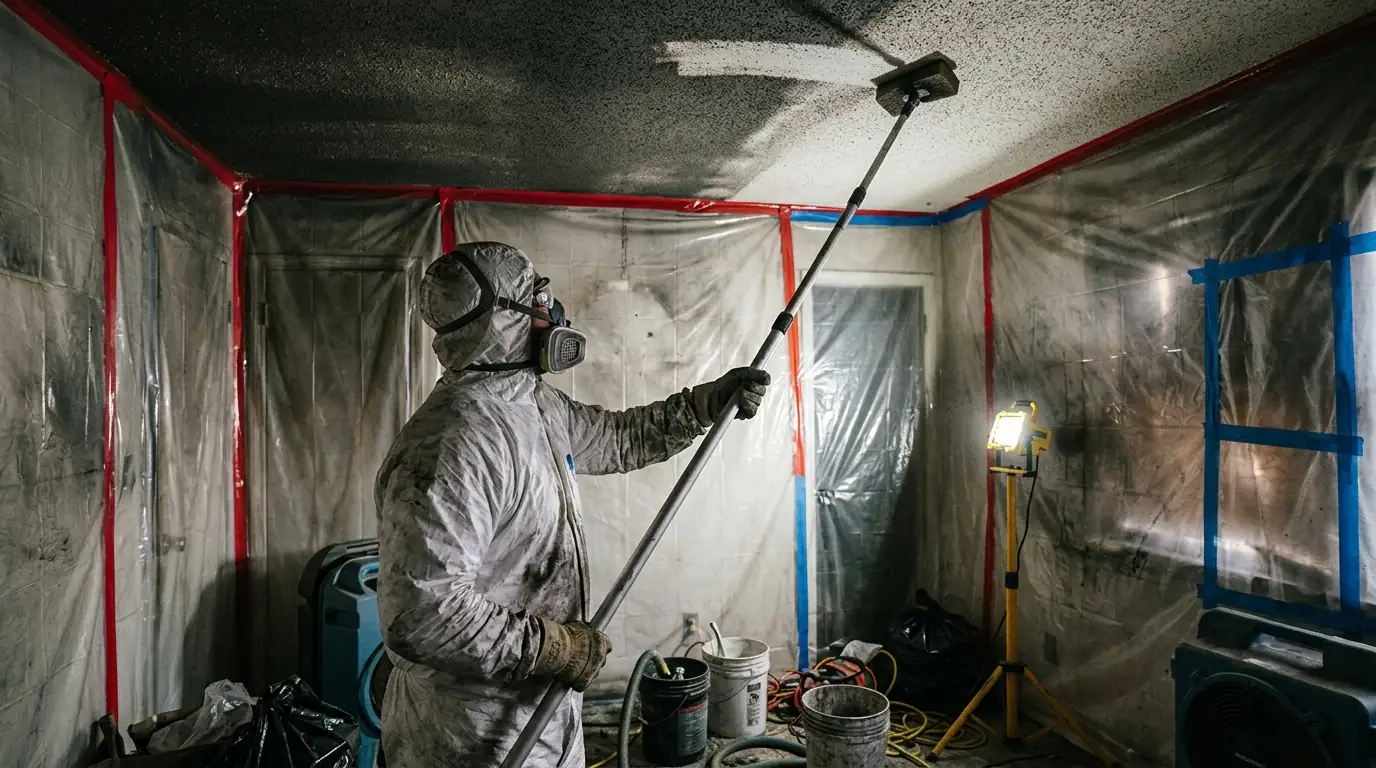
Smoke and soot cleanup
Removing residue from walls, ceilings, cabinets and framing before it stains and etches.
- Smoke Damage Restoration
- Soot Removal
- Kitchen Fire Cleanup
- Electrical Fire Cleanup
- Furnace Puff-Back Cleanup
- Fireplace and Chimney Smoke Cleanup
- Garage Fire Cleanup
- Dryer and Laundry Fire Cleanup
- Space Heater Fire Cleanup
- Exterior Smoke and Soot Cleaning
- Attic Fire and Smoke Cleanup
- Lightning Strike Fire Damage
 7 services
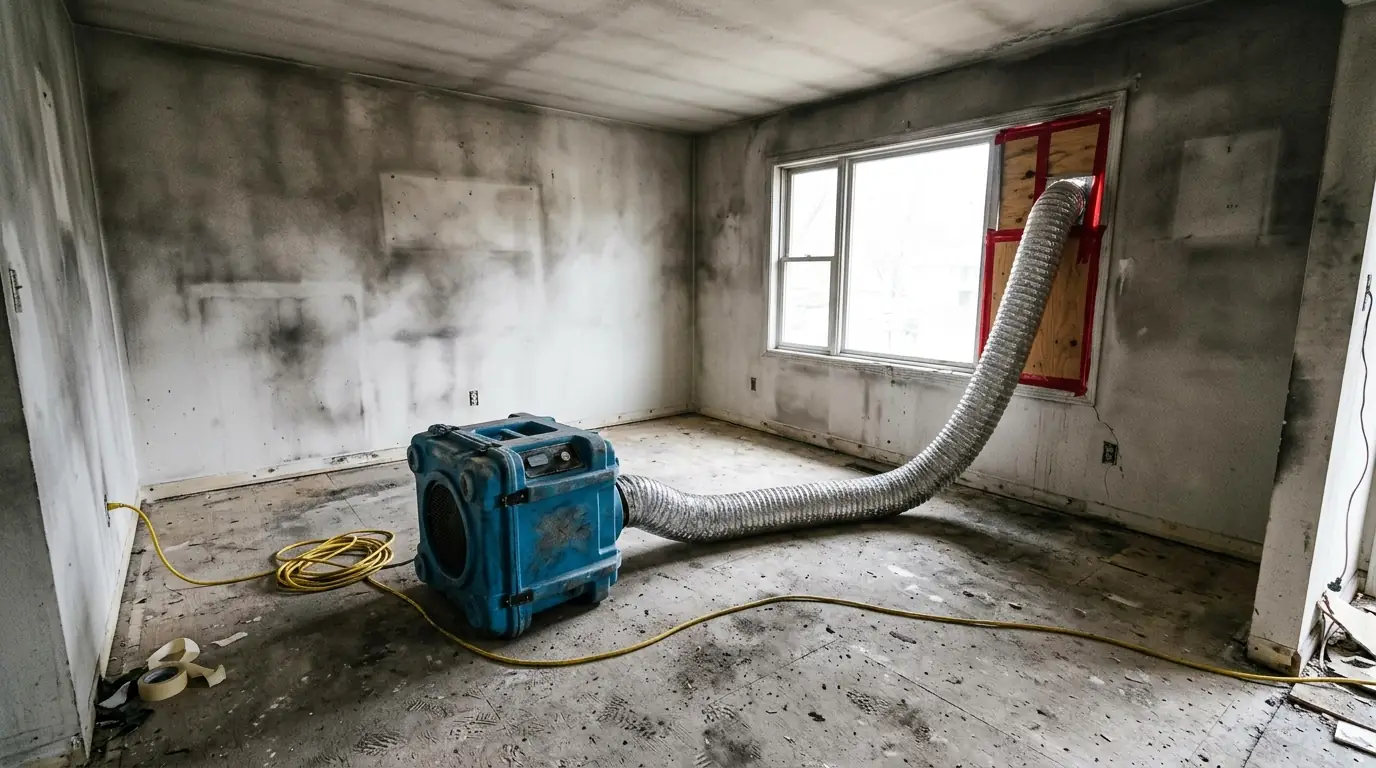
Odor, air and mold
Deodorizing the structure, cleaning the air and ducts, and dealing with mold after firefighting water.
 6 services
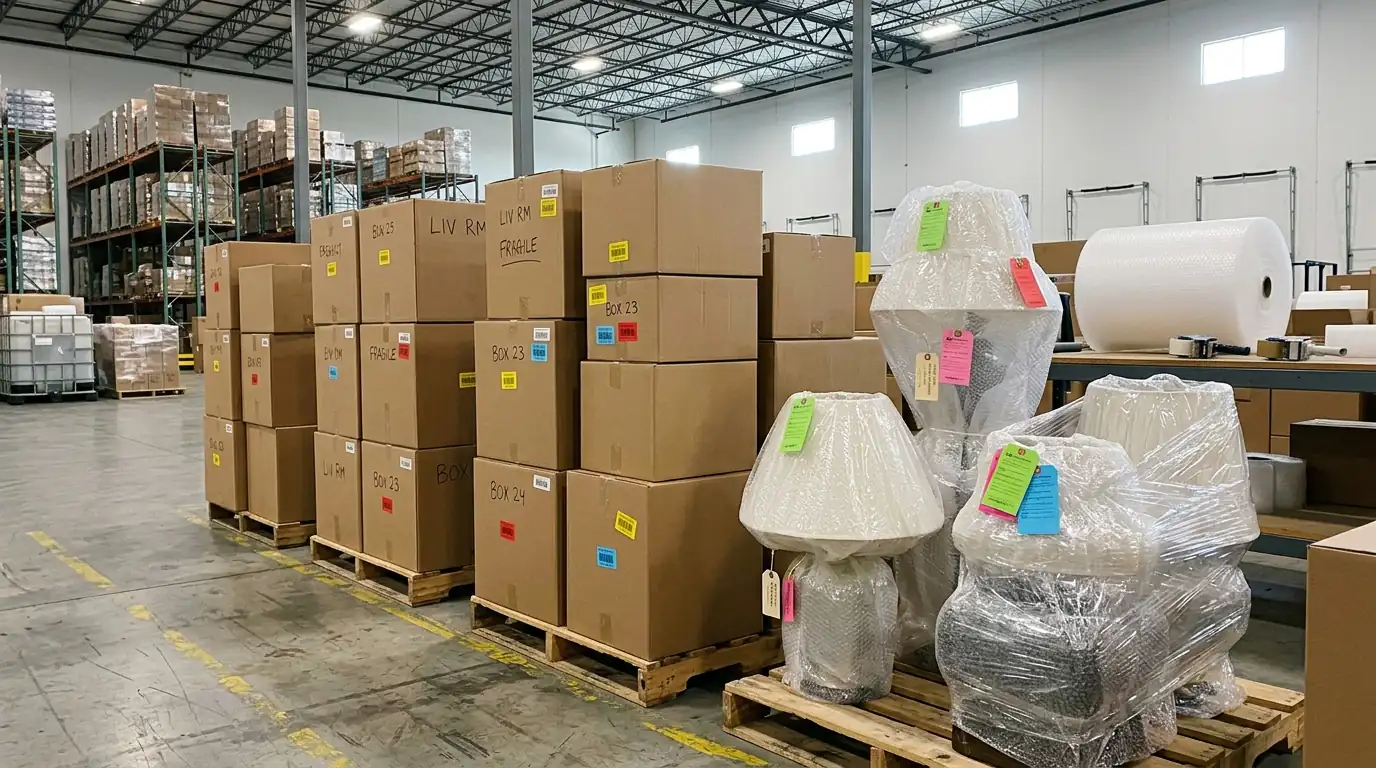
Contents and belongings
Packing out, cleaning and restoring what you own, from clothing to electronics and papers.
 9 services
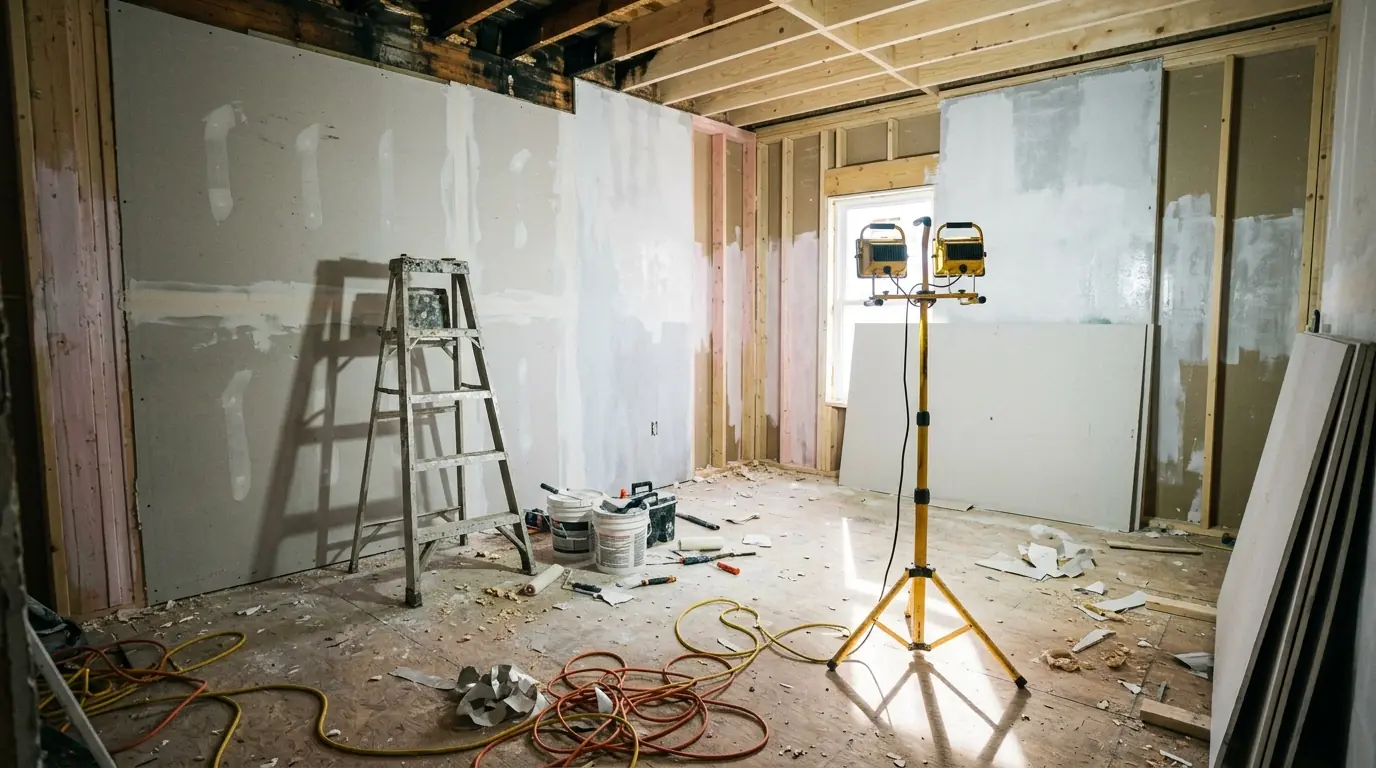
Repairs and rebuild
Tear-out, framing, plaster, paint, floors, roofs and kitchens rebuilt after the cleanup.
 5 services
Insurance and property types
Claim paperwork, commercial buildings, apartments and rental houses.
Furnaces, air handlers and appliances we clean after smoke. After a fire or a puff-back we clean soot out of Carrier, Trane and Lennox furnaces and the ductwork they feed, and we clean smoke film off Whirlpool, GE Appliances and KitchenAid kitchen appliances when they are worth saving.
- Carrier
- Trane
- Lennox
- Goodman
- Rheem
- York
- Bryant
- American Standard
- Whirlpool
- GE Appliances
- LG
- Samsung
- KitchenAid
- Frigidaire
Warning signs
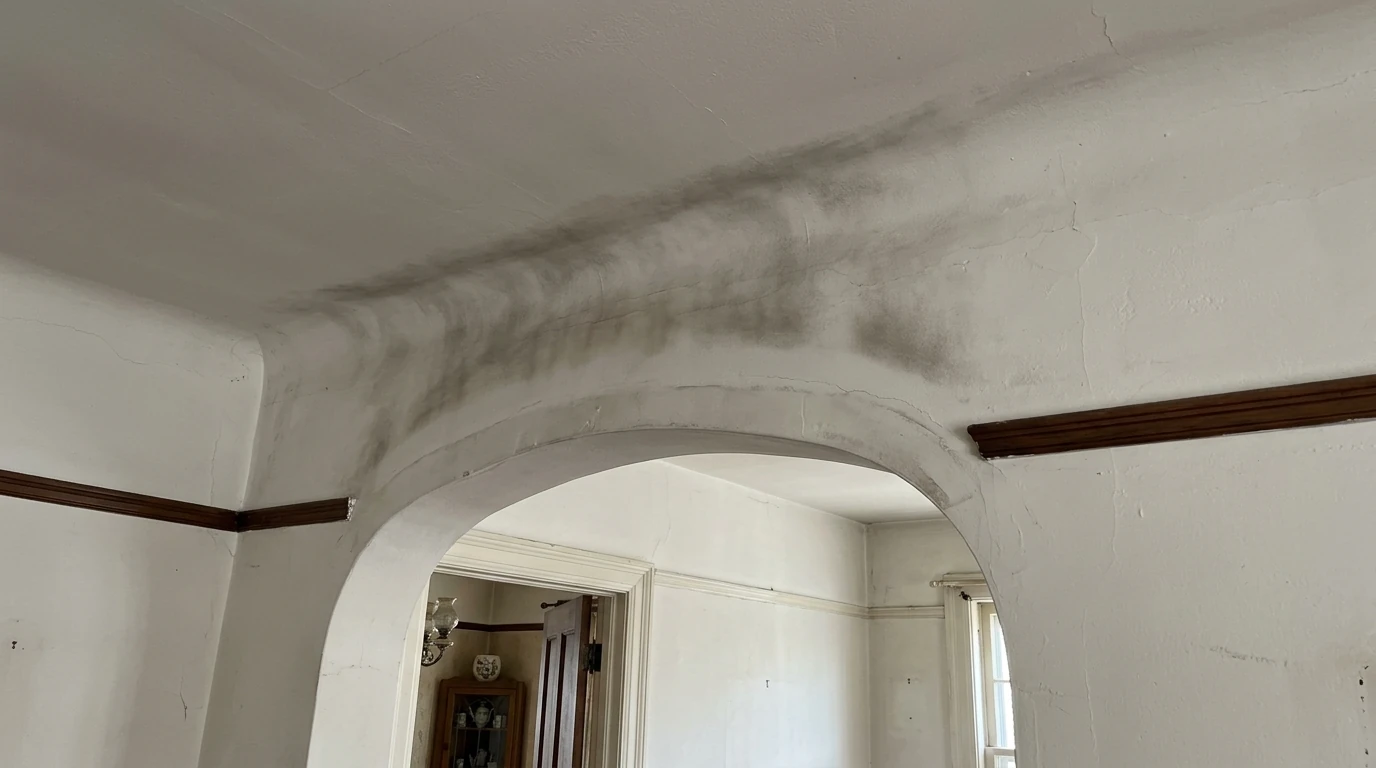
Signs smoke reached rooms the fire never touched
Smoke follows air pressure and heat, not doorways. These are the marks it leaves on the way, and each one changes what the cleanup has to include.
A gray film on windows and mirrors
Run a finger across a window two rooms from the fire. If it comes away gray, the smoke got there, and glass left dirty for weeks can etch.
Dark lines along carpet edges
Filtration lines appear where air pushed under doors and along baseboards. They trace the path the smoke took and rarely come out with a regular carpet cleaning.
Shadows around vents and light fixtures
Smudges on the ceiling around supply registers mean the heating system carried smoke. Those ducts need cleaning or the smell returns every time the furnace runs.
A smell that returns on humid days
Odor that fades and then comes back in warm, damp weather means residue is still in porous materials, usually drywall, insulation or wood framing.
Tarnished fixtures and yellowed plastics
Chrome faucets, door hardware, outlet covers and appliance fronts that dull or yellow after a fire are showing you the acidic residue at work.
How the work runs
From soot to clean in five stages
Every job moves through the same stages. A small kitchen fire can go from first call to finished in far less time than a house that burned through the roof.
- 01
Secure and stabilize
Board up openings, tarp the roof, pump out firefighting water and set drying equipment. Corrosive soot comes off metal and glass first, because those surfaces are damaged fastest.
- 02
Test and document
We identify the soot in each room (dry, oily or protein), take moisture readings and photograph everything. That record becomes the scope your insurer reviews.
- 03
Remove and clean
Charred drywall, insulation and flooring come out. What stays is dry sponged, HEPA vacuumed and wet cleaned, and blackened framing is soda or dry ice blasted.
- 04
Deodorize the house
HEPA air scrubbers clear fine particles while hydroxyl, thermal fogging or ozone treat the odor. Ducts get cleaned so they stop spreading it, and stained framing is sealed.
- 05
Rebuild and move back
New drywall or plaster, paint, floors and cabinets go in, cleaned contents come back from storage, and you move home to rooms that look and smell right.
Local conditions
What Detroit’s older houses do to a fire and smoke job
Detroit’s housing is old. The median home in the city was built in 1947, more than a third went up before 1940, and about four in five predate 1960. That age changes a fire job. Plaster and lath hold soot and odor differently than drywall, and the Detroit Fire Department names electrical fires as the top cause of accidental house fires, which fits housing of this age.
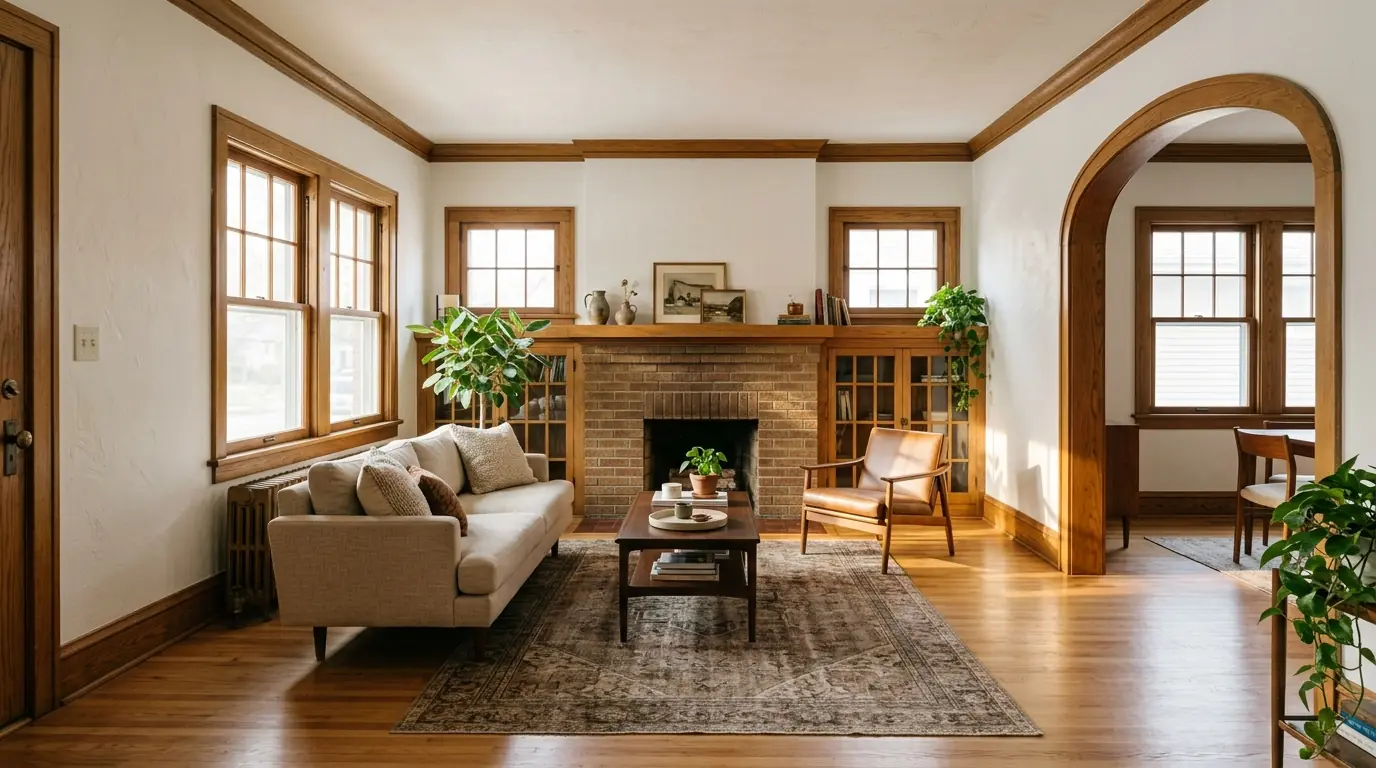
Our service office sits on Cliff Street, a block of 1941 brick bungalows with wood-burning fireplaces and partly finished basements. That is close to a textbook picture of the homes we work in: fireplaces that backdraft, basements that fill with hose water and attics where smoke collects under the roof deck.
Winter adds its own problem. A normal Detroit January runs from a high near 32°F down to about 19°F at night, so a house left without heat after a fire can freeze its pipes. Draining the plumbing or setting temporary heat is part of the first visit when the weather turns cold, and our page on winterizing a fire-damaged home explains how that works.
Detroit by the numbers
- 1947
- Median year Detroit homes were built. Point2 Homes
- 80%
- Share of the city’s housing built before 1960. Urban Institute
- 3,237
- Structure fires the Detroit Fire Department answered in 2025. City of Detroit
- 19.2°F
- Normal January low in Detroit, 1991 to 2020. National Weather Service
- 14.0 in
- Normal January snowfall in Detroit. National Weather Service
Insurance
Working with your insurance company after a fire
Call your agent early. Many policies expect you to protect the property from further damage after a fire, which is exactly what board-up and water removal do, and the claim moves faster when the first photos are taken before anything is disturbed.
We document the loss the way adjusters work: room by room, with photos, moisture readings and a written scope. We can meet the adjuster on site, and when hidden damage turns up after demolition we write it up as a supplement rather than absorbing it or surprising you with it.
Your insurer may suggest a restoration company from its own list. Check your policy wording before assuming you have to use it. Our fire insurance claim help page and the guide to filing a fire claim in Michigan go further.
What goes in your claim file
- Photos of every room before anything is moved or cleaned
- Moisture readings from walls, ceilings and subfloors
- A soot map showing the residue type room by room
- A line-item scope for cleaning, tear-out and rebuild
- A room-by-room contents inventory when items are packed out
- Supplements for damage found after demolition
Any hour
Fire is out, everyone is safe, and you are not sure what comes next?
Call the fire and smoke line. We ask what burned, where the water went and whether the power and gas are off, then tell you what has to happen tonight and what can wait until morning.
Call (313) 391-5430Service region
Two offices covering Detroit and the counties around it
Detroit is the center of the work. From the Cliff Street office the crews reach Wayne, Oakland and Macomb counties, the Grand Blanc head office keeps Genesee County and Flint close, and Livingston County sits between the two.
Detroit service office
Cliff St on the city’s northeast side. Fire and smoke calls across Detroit, Wayne County and the suburbs to the north.
Grand Blanc head office
Saginaw Road in Grand Blanc. Work across Genesee County, Flint and Livingston County.
After a fire
Answers for the first days after a fire
Written by our fire and smoke guides editor for Detroit homeowners and landlords. All 20 are on the After a fire page.
What to Do After a House Fire in Detroit
What to do in the first 24 hours, who to call in what order, and what to leave alone.
What to do first after a house fire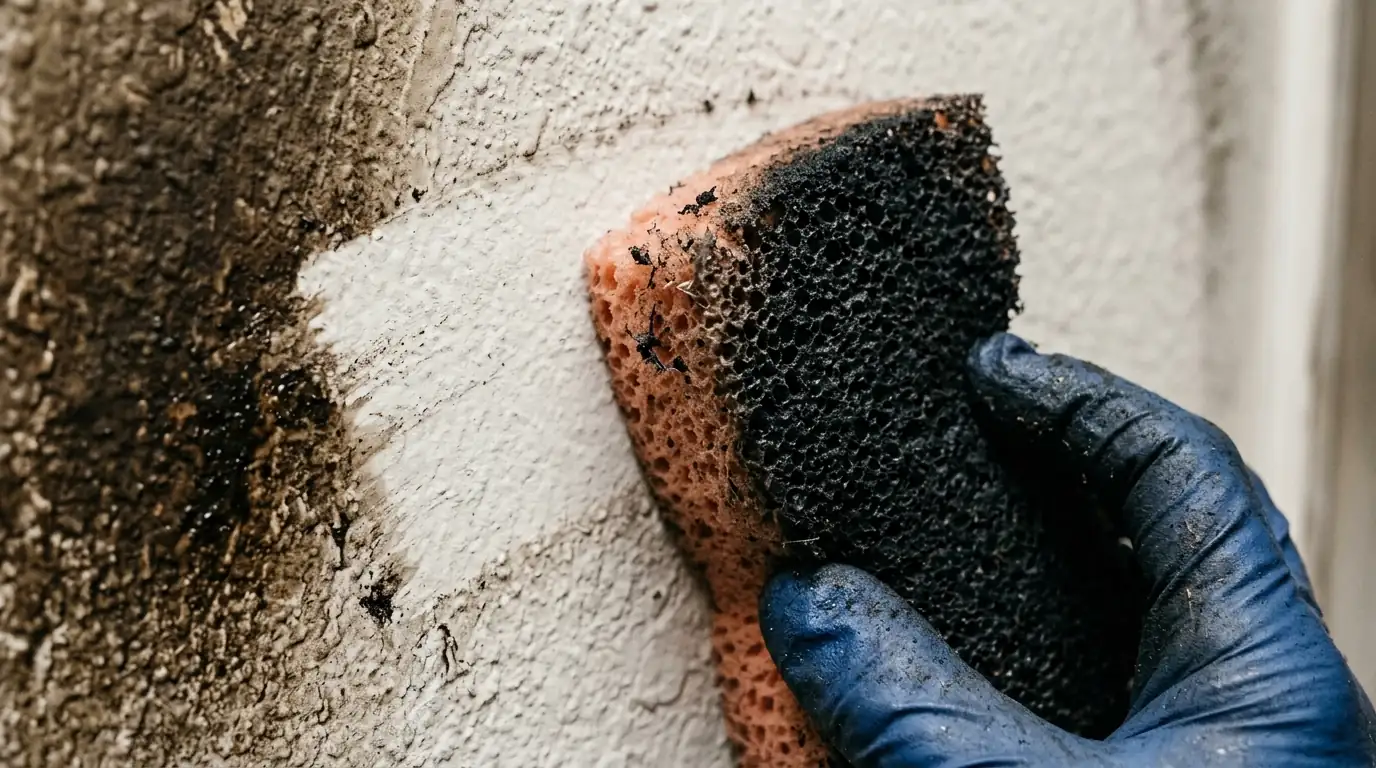
What Fire Damage Restoration Costs in Detroit
Sourced cost ranges for fire and smoke work, and the factors that push a job up or down.
Fire restoration costs in Detroit
Why Smoke Smell Lingers and Comes Back
Why odor fades and returns, and how to tell whether the source was ever removed.
Why smoke smell comes backQuestions
Questions people ask after a house fire in Detroit
As soon as the fire department releases the property. Board-up, roof tarping and pumping out firefighting water can happen the same day. Soot cleaning follows once the house is stable and the utilities are checked, since cleaning a wet house smears residue deeper into the surfaces.
Sometimes. A grease fire contained to the stovetop may leave the rest of the house livable once it airs out. Stay out if the power or gas is off, if smoke reached the bedrooms, or if anyone has a breathing condition. Our guide on staying home after a small fire goes room by room.
Standard homeowners policies generally cover sudden fires, including the smoke and soot they cause. What they pay for contents, odor treatment and living expenses depends on your limits and wording, so read the declarations page before you sign anything with anyone.
Yes, once the residue causing it is gone. Deodorizing without cleaning only masks the smell, which is why it returns on humid days. We clean or remove affected materials, treat the structure with hydroxyl, thermal fogging or ozone, and seal framing that stays stained. More on smoke odor removal.
National cost guides put whole-house fire restoration between $3,083 and $52,031, with an average near $27,477, or about $4 to $7 per square foot, and smoke cleanup alone at $200 to $1,200 per room, according to Angi. Those are planning ranges, not quotes; the size of the burn and how far the smoke traveled decide where a job lands.
Food, medicine and cosmetics that sat in heat or smoke, anything charred, and melted plastics that held food. Keep the rest until it is photographed for the claim, because clothing, furniture and papers often clean better than people expect. Do not scrub the walls yourself; a wet rag pushes soot deeper into paint and plaster.
Yes. A puff-back blows oily soot out of the furnace and through the ducts into every room they serve. We clean the cabinet, blower and ductwork on Carrier, Trane, Lennox and most other brands, then the rooms the soot reached. An HVAC technician has to fix the burner fault before the furnace runs again. See furnace puff-back cleanup.
Yes. The Detroit service office covers the city and Wayne, Oakland and Macomb counties, and the Grand Blanc head office covers Genesee and Livingston counties, including Flint. The service region page shows where coverage runs and where it stops.
Any hour, any day
Call before the soot sets and the water spreads
The first day decides a lot of what a fire job costs. Openings covered, water out and soot stabilized early means more of the house gets cleaned instead of torn out.
Call and find us
Call the fire and smoke line, or find the office
- Phone
- (313) 391-5430
- Hours
- Answered 24 hours a day, 7 days a week
- Service office
- 19003 Cliff St, Detroit, MI 48234
- Head office
- 12458 Saginaw Road #7, Grand Blanc, MI 48439
- Coverage
- Detroit and Wayne County, north into Oakland and Macomb, west to Livingston and up to Genesee County around Grand Blanc and Flint. See the service region
