Quick answer
Rental and vacant property fire restoration in Detroit covers what a landlord or investor needs after a fire: board-up and site security, cleanup and rebuild to a rentable standard, and documentation that separates the owner's building claim from the tenant's contents. We coordinate access with tenants and property managers, and schedule the work so the unit can be re-rented as soon as it passes inspection.
What changes when the house is a rental
In an owner-occupied house, the person who lives there makes the decisions. In a rental, the owner decides on the building, the tenant owns the belongings, and a property manager may sit in between. Each has a different insurance policy and different priorities.
We keep those lines clear. The building scope and photos go to the owner and the owner's adjuster; the tenant's contents are inventoried separately for their renters policy, if they have one. Everyone knows who is responsible for what.
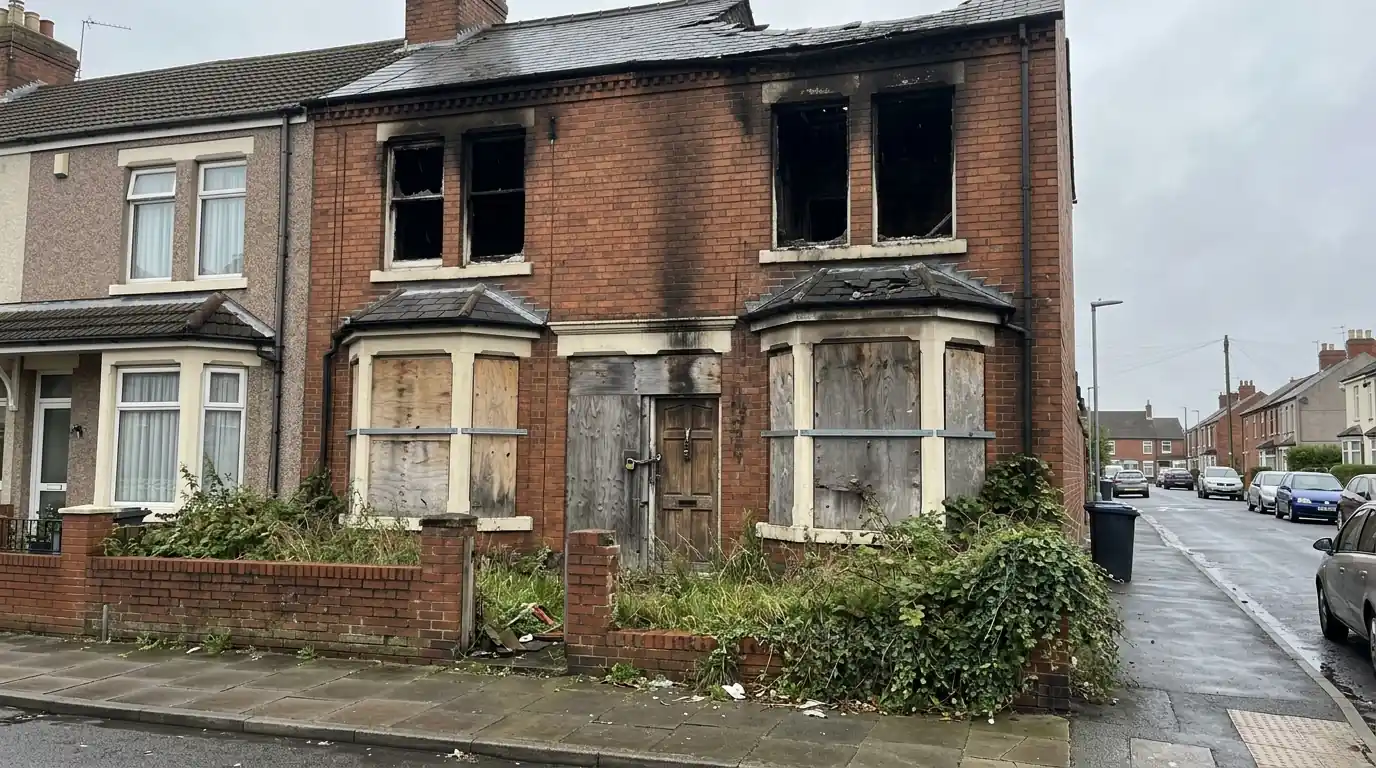
For vacant houses and investor properties, security matters as much as repairs. An empty burned house attracts trespassers and scrappers, so board-up and regular checks start on the first visit.
What drives the cost of rental fire restoration
Rental restoration is priced like any fire job, with added security and coordination.
- Size of the unit or houseSquare footage and how many rooms the fire and smoke reached.
- Vacancy and securityBoard-up, checks and winterizing on an empty property.
- Rebuild standardRestoring to the unit's prior standard, with upgrades priced separately.
- Multiple unitsSmoke and water in neighboring units add to the scope.
- InspectionsCity or lender inspections before re-renting.
National cost guides put fire and smoke restoration at roughly $4,000 to $7,000 for a 1,000 square foot home and $8,000 to $14,000 for 2,000 square feet (HomeAdvisor). Heavy structural damage runs higher. These are planning figures, not a quote.
Vacant houses
A vacant house that burns often sits for weeks before anyone can make decisions. We board every ground-floor opening from the outside, secure the entries, tarp the roof and, in cold weather, drain the plumbing so a freeze does not add to the damage.
We check the property on a set schedule and after storms, photograph it each visit and replace anything that has been tampered with. That record also shows the insurer that the owner protected the property, which matters when vacancy clauses come into play.
Landlord turnover
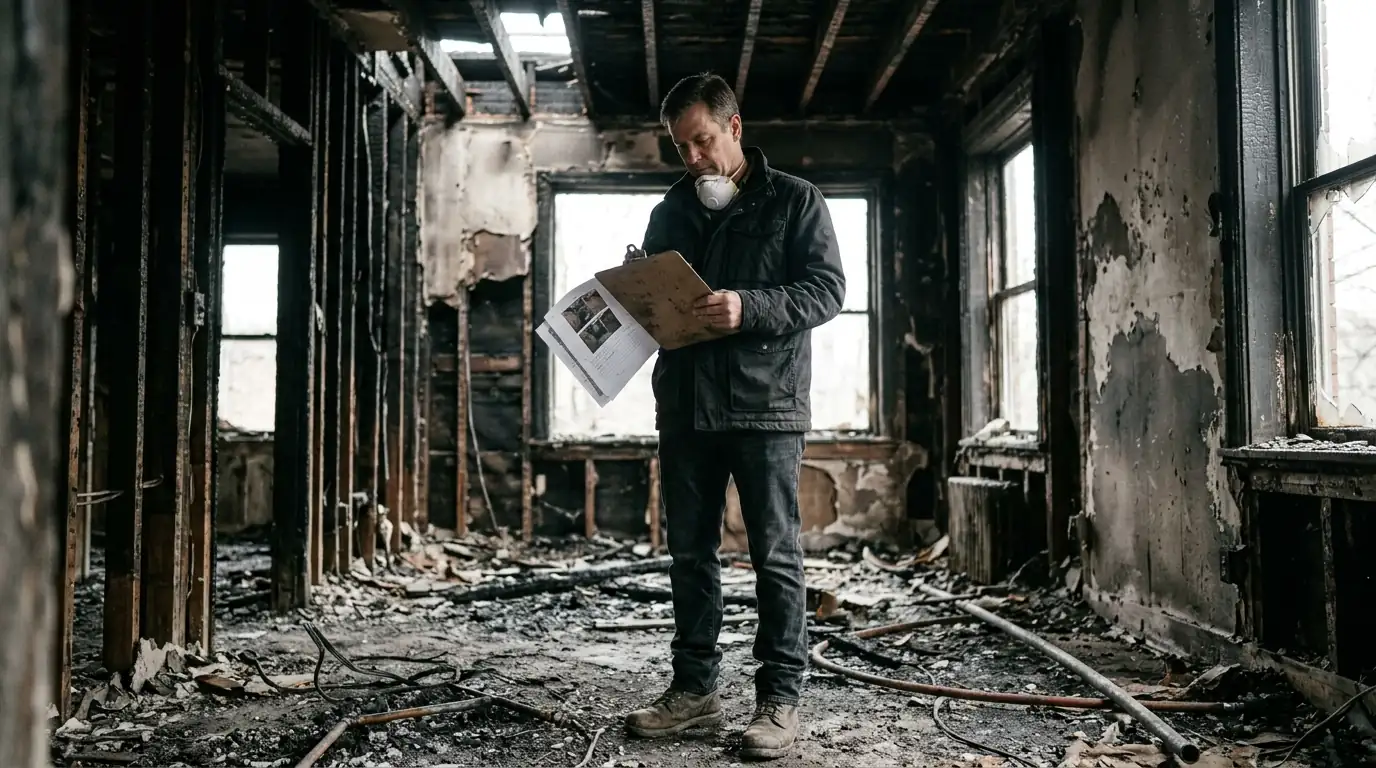
When a tenant moves out after a fire, the goal is a rentable unit. We scope the work to the standard the unit had before the fire, clean and rebuild what is damaged, and flag items worth upgrading while walls are open, keeping upgrades separate from the claim.
We schedule around inspections the city or your lender requires and give you a realistic ready date so you can start showing the unit. Tenant belongings left behind are inventoried and stored rather than thrown out, so there is no question later about what happened to them.
Investor properties
Investors often own several properties and need a clear, fast decision on each one: repair and re-rent, repair and sell, or clean up and hold. We give you an itemized scope with photos so you can compare the repair cost against the value.
For portfolios, we keep one point of contact and consistent reporting across properties, and coordinate access with property managers so tenants in neighboring units are disturbed as little as possible. Each property gets its own photo record and scope, so a lender or buyer can see exactly what was repaired and why.
Fire in one of your rentals? Call any hour and we will secure it first.
Call (313) 391-5430What rental fire restoration includes
- Board-up and site security
- Scheduled property checks with photos
- Winterizing when the unit sits empty
- Separate owner and tenant documentation
- Tenant contents inventory and storage
- Itemized scope with upgrades priced separately
- Cleanup and rebuild to a rentable standard
- Coordination with property managers and inspectors
How a rental fire job runs
- 01
Secure the property
Board-up, roof tarping and, in cold weather, winterizing.
- 02
Document for each party
Building photos for the owner; contents inventory for each tenant.
- 03
Scope to the prior standard
An itemized scope that separates claim work from upgrades.
- 04
Clean and rebuild
Cleanup, repairs and finishes to a rentable standard.
- 05
Inspect and hand back
Final cleaning, inspections and a walkthrough with you.
Rentals and two-units in Detroit
Renters occupy 52.8% of Detroit's housing units, so a large share of the fires we clean up are in rental houses and flats. Streets like Cliff Street near our service office include two-unit duplex buildings, where a fire in one unit usually sends smoke and water into the other. We scope each unit separately, keep each tenant's belongings on their own inventory, and coordinate with the owner so the undamaged unit can stay occupied when it is safe.
How long until the unit can be re-rented
A smoke-only loss in one unit can often be cleaned, sealed and painted in a couple of weeks. A unit that needs tear-out and rebuilding takes longer, usually a few months, driven by the claim, permits and inspections.
We give you a ready date after the scope is agreed and update it if supplements or inspections change the schedule.
Rental property fire questions
Generally, the owner's policy covers the building and the tenant's renters policy, if any, covers their belongings. Check both policies; we document each separately.
They are inventoried, cleaned or stored, and listed for the tenant's claim, not thrown out.
Often, if smoke and water did not reach it badly and utilities are safe. We check it and tell you.
Yes. One point of contact, consistent reports and coordinated access.
Some policies limit coverage on long-vacant properties. Ask your agent; our security records show the property was protected.
Yes. See apartment building fire restoration.
