Quick answer
Smoke damage from a neighbor's fire is handled like any smoke loss in your own home: rooms are tested for residue, the side of the house facing the fire is inspected for heat damage, and everything affected is cleaned, deodorized and photographed. The claim normally goes to your own homeowners or renters insurer, not the neighbor's, even though the fire started next door.
How a fire next door gets into your home
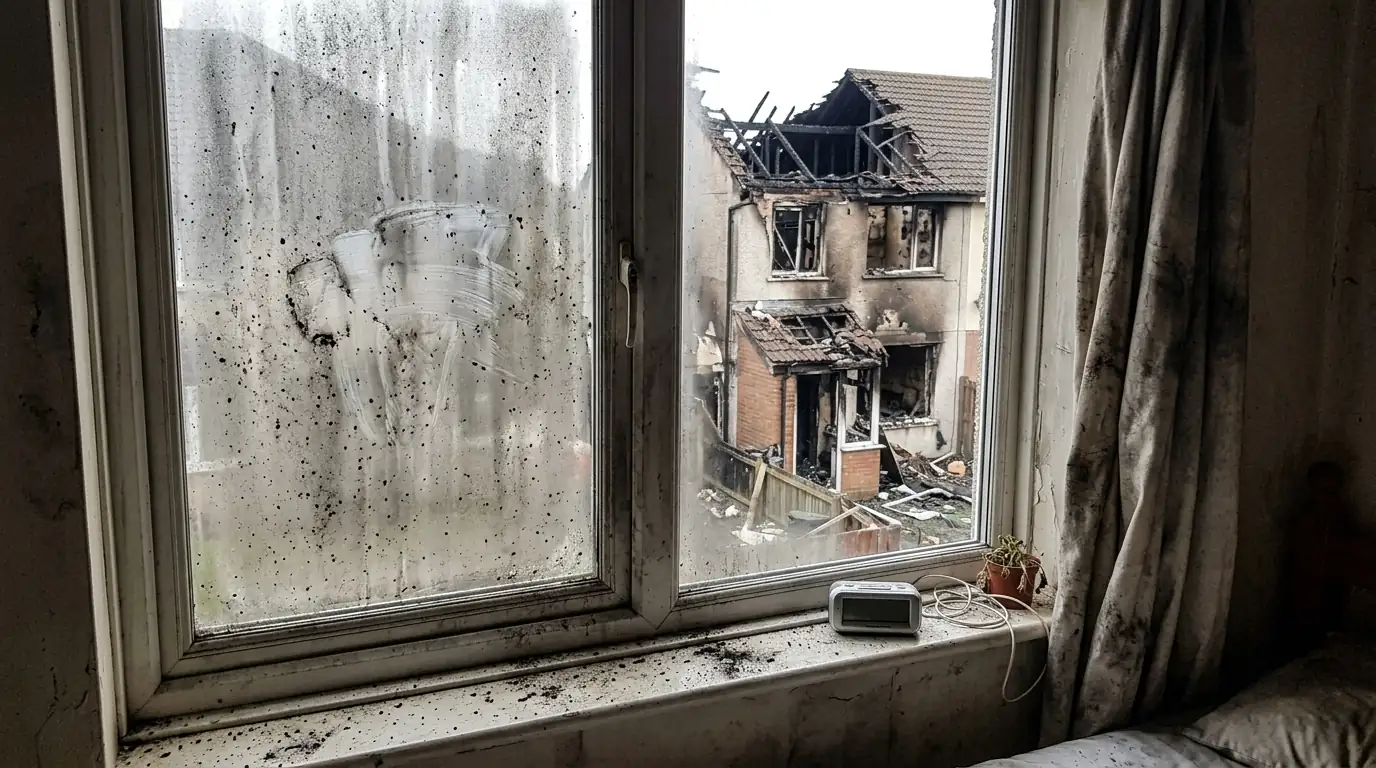
On streets where houses sit a few feet apart, a serious fire next door pushes smoke into neighboring homes through open windows, attic vents, gaps around siding and window units, and any air the furnace pulls in from outside.
Heat does its own damage. Vinyl siding facing the fire can warp or melt, windows can crack, and gutters and fences between the houses can be scorched, even when nothing inside caught fire.
Because the smoke arrives indirectly, it is easy to underestimate. Fine residue settles in closets, ducts and soft furnishings, and the smell often only becomes obvious after a few days.
Signs smoke from next door got into your house
Smell that lingers for days
A smoky smell that does not fade after airing out means residue settled indoors.
Film on inside window glass
A gray film on the inside of windows facing the fire.
Odor from the attic or ceiling
Smoke came in through soffit or gable vents.
Smell when the furnace runs
The system pulled smoke in from outside or through the return.
Warped or discolored siding
Heat reached the side of the house facing the fire.
How a neighbor-fire smoke job runs
- 01
Inspect inside and out
Rooms tested for residue, the facing wall and windows checked for heat damage.
- 02
Document for the claim
Dated photos, test results and a room-by-room list.
- 03
Clean affected rooms
Walls, ceilings, fabrics and ducts cleaned to match the testing.
- 04
Deodorize
Odor treatment once the residue is removed, not before.
- 05
Repair the outside
Siding, windows and gutters repaired or replaced.
Smoke through windows and vents
Smoke from a house fire next door finds every opening: windows left open in summer, attic and soffit vents, bathroom and dryer vents, and gaps around window air conditioners. Rooms on the side facing the fire, and the attic above them, usually take the most.
We test surfaces room by room rather than guessing, because residue from someone else's fire is often thin and widespread. Walls, ceilings and fabrics are cleaned to match what the tests show, the furnace filter and ductwork are checked, and the attic insulation is inspected where smoke came in through the vents.
Heat damage to siding and windows
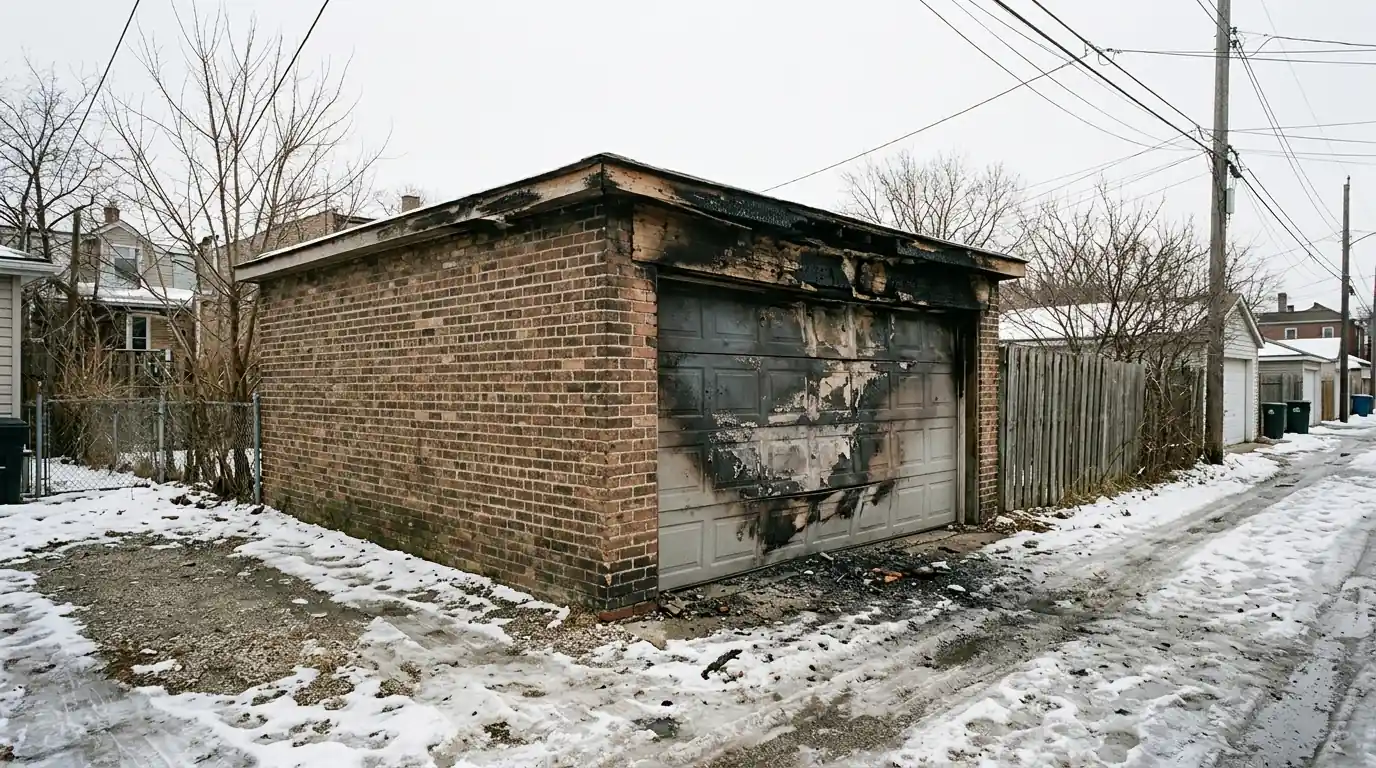
Radiant heat from a fire next door can damage a house that never caught fire. Vinyl siding sags or melts, paint blisters, window glass cracks and seals fail, and gutters and fences between the houses can char.
We photograph and measure the damaged side of the house, clean soot from the surfaces that can be cleaned, and scope repairs for what heat ruined. Melted siding usually has to be replaced in matching runs, and cracked or fogged windows are listed separately, so the repair estimate shows exactly what the fire next door did to your home.
Making the claim when the fire was next door
Most homeowners and renters policies cover smoke and heat damage from a neighboring fire under your own coverage, so the claim usually goes to your insurer first. Your insurer may later seek payment from the party responsible for the fire; that is between the insurers.
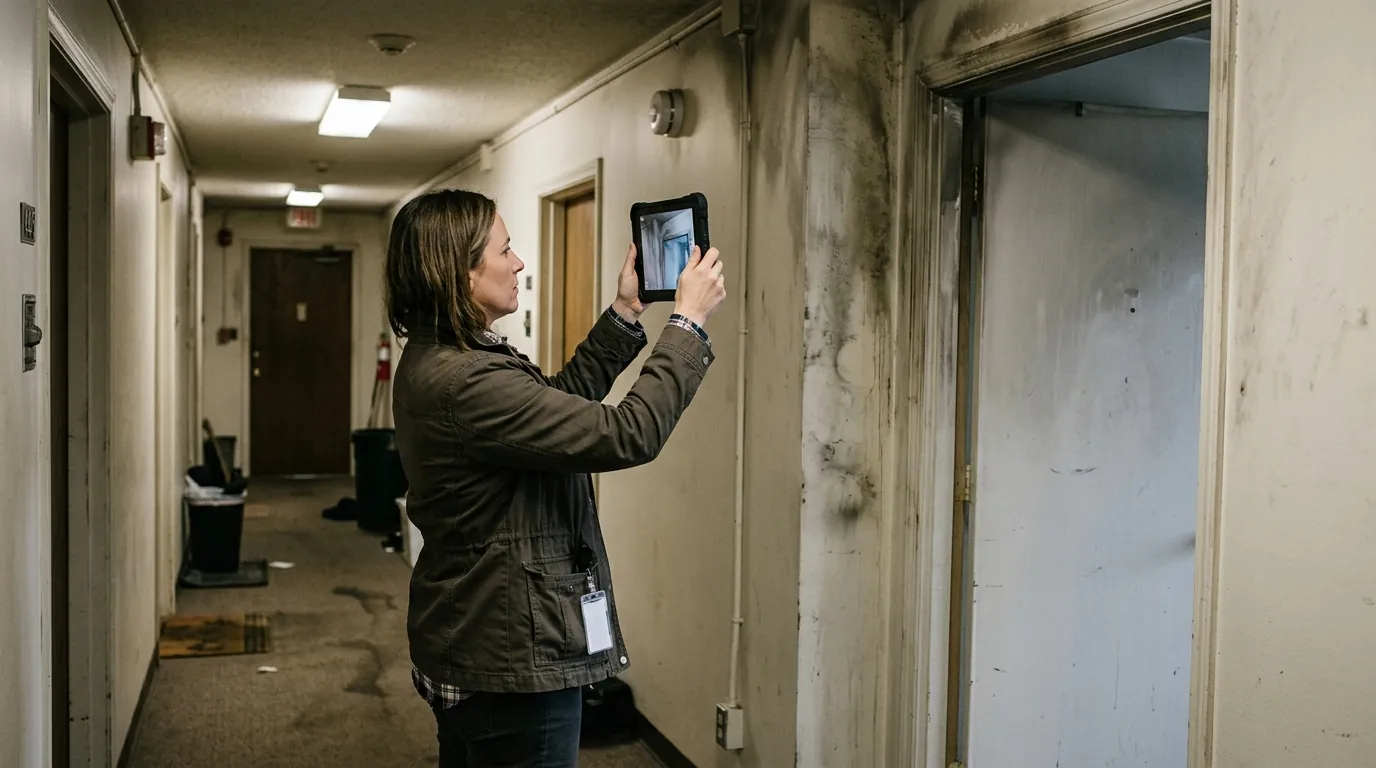
What makes the claim work is documentation: dated photos, residue test results, a room-by-room scope and a list of affected belongings. We prepare that record from the first visit, and it is useful whether the claim goes to your insurer, a neighbor's insurer or, for a vacant house, the property owner.
Fire next door and now your house smells of smoke? Call the line and we will test it.
Call (313) 391-5430How long the cleanup takes
Light smoke in a few rooms can often be cleaned and deodorized in two to four days.
When smoke reached the whole house or heat damaged the outside, the job can run a week or more, mostly because of siding and window orders.
Fires next door on Detroit's close-set streets
Detroit recorded 4,741 structure fires in 2014 and 2,154 by the end of 2022, a big drop but still a large number for a city where many houses stand only a few feet apart. Vacant houses make up a share of those fires, and when one burns, the families on either side often deal with smoke in their bedrooms, heat-damaged siding and a strong smell that lasts for weeks. Those are the calls this service exists for.
What changes the cost of cleaning smoke from a neighbor's fire
The cost depends on how much smoke got in and how much of the outside was damaged by heat.
- Rooms affectedOne side of the house or every room, including the attic.
- Heat damage outsideMelted siding, cracked windows and scorched gutters add repairs.
- Soft furnishingsCurtains, bedding, upholstery and clothing that took smoke.
- HVAC involvementWhether the furnace pulled smoke in and the ducts need cleaning.
- Odor treatmentHow long the smell has been in the house before treatment.
National figures put smoke damage cleanup at about $425 to $1,800, or $3.50 to $7.00 per square foot (Yelp). Exterior repairs such as siding and windows are priced separately. These are planning figures, not a quote.
Questions about smoke from a neighbor's fire
Usually your own homeowners or renters policy pays first; insurers sort out responsibility between themselves.
Smoke and heat damage are normally covered perils even when the fire was elsewhere. Check your policy and call your insurer.
Your own insurer first. We document the damage so it can be pursued against the owner if needed.
Airing helps, but residue left on surfaces and fabrics keeps releasing odor until it is cleaned. See smoke from a neighbor's house fire.
Usually, in matching runs. See exterior smoke and soot cleaning for what can be cleaned.
Change the filter first and have the ducts checked if the smell is strongest when it runs.
