Quick answer
After a house fire in Detroit, stay out until the fire department says the house is safe, then call your insurer to open the claim and a restoration company to board up, tarp and pump out water the same day. Take medicine, IDs and essentials, photograph everything before it moves, and do not scrub soot or throw anything away yet.
The first hour: safety before anything else
Once everyone is out, the fire department is in charge of the house. Do not go back inside until they tell you it is safe, even if the fire looked small. Smoldering material inside walls and attics can reignite, and floors and ceilings that took water or heat can give way.
If anyone breathed smoke, get them checked. Smoke from burning plastics and furnishings contains gases that are harmful even in small amounts, and symptoms can show up hours later. Pets need the same care.
Ask the fire department whether the power and gas were shut off, and for the incident or report number. You will need it for the claim.
- Stay out until the fire department releases the house
- Get anyone who breathed smoke checked
- Ask whether the gas and power are off
- Write down the fire department report number
Who to call, and in what order
Most of these calls can happen within the same hour. The order matters mostly because each one sets up the next: the insurer opens the claim, and the restoration company protects the house the claim depends on.
Your policy almost certainly asks you to protect the property from further damage, so board-up, tarping and water removal are not optional extras; they are part of what the policy expects of you.
- Your insurance agent or company, to open the claim
- A restoration company, to board up, tarp and pump out water
- Your mortgage company, which is named on most policies
- Your landlord, if you rent, and your renters insurer
- Family, work and your children's school
Fire tonight? The line is answered 24/7, and board-up and water removal are part of the first visit.
Call (313) 391-5430What to take with you tonight
Most families cannot sleep in the house the first night because the power or gas is off and the smoke is heavy. If the fire department lets you in briefly, or a restoration crew can escort you, take what you need for the next few days.
- Medicine, glasses, hearing aids and medical devices
- IDs, wallets, keys, phones and chargers
- A few days of clothing, ideally from closed drawers
- Important papers and anything irreplaceable you can reach safely
- Pet food and supplies
What not to touch or clean yourself
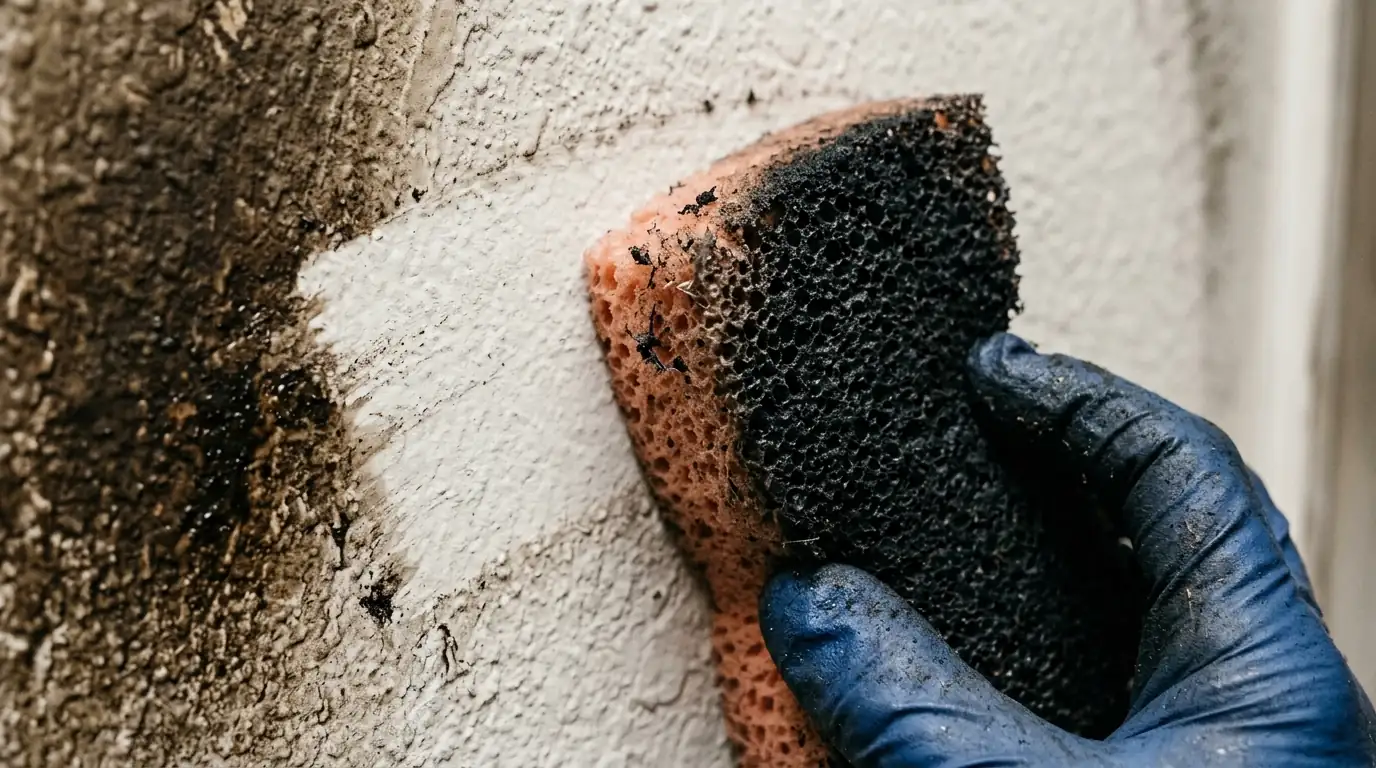
The urge to start cleaning is strong, and it usually makes things worse. Soot smears into paint and plaster when wiped with water, and household cleaners can set stains permanently. Electronics that sat in smoke can short if powered on.
Throwing things away is the other common mistake. Anything discarded before it is photographed and listed is hard to claim later, even if it was obviously ruined.
- Do not wipe soot off walls or furniture
- Do not turn on electronics, the furnace or appliances
- Do not eat food that was in the heat or smoke
- Do not throw anything away before it is photographed
- Do not sign anything you have not read with your policy in hand
Where to stay, and what your policy may pay for
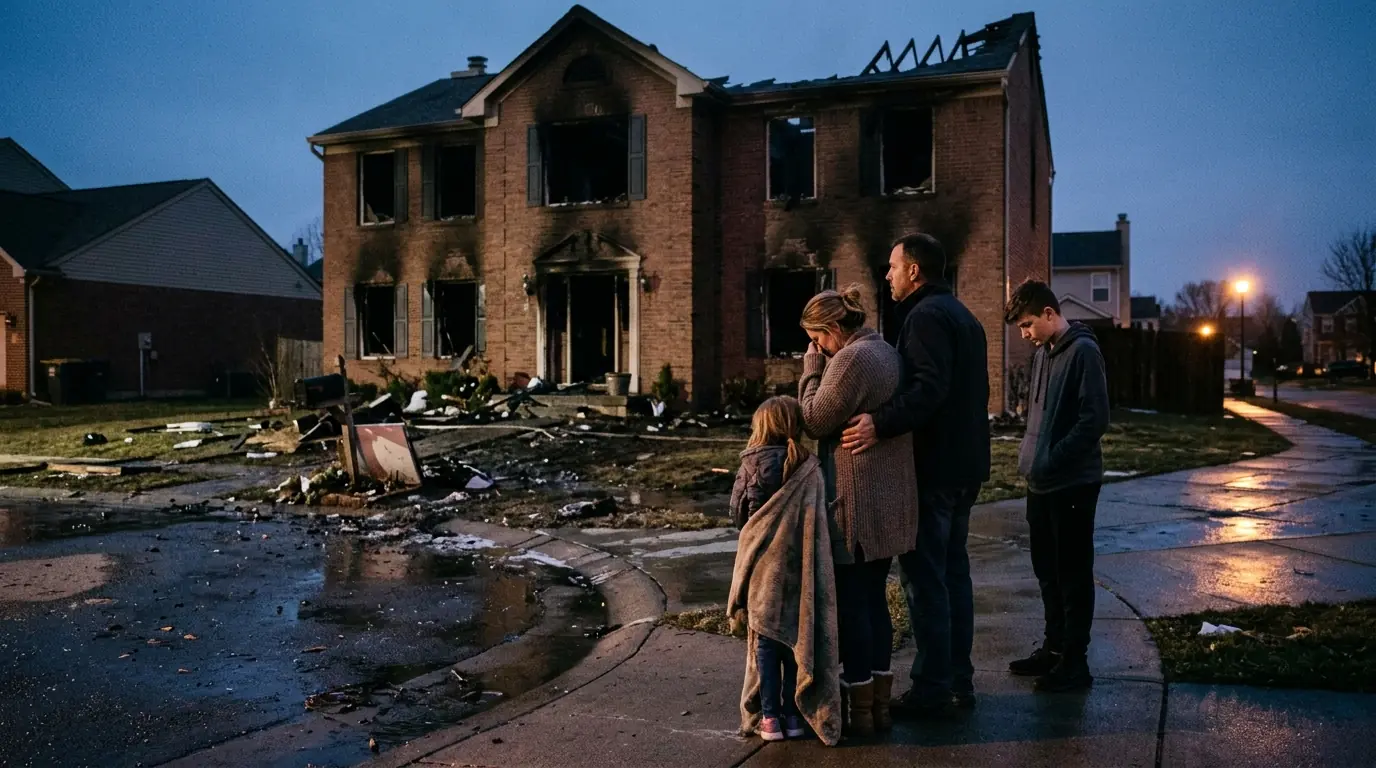
Many homeowners and renters policies include additional living expenses: hotel or rental costs, extra food costs and similar expenses while the house cannot be lived in. Limits and rules vary, so ask your agent what yours covers and keep every receipt.
National cost guides put temporary housing during repairs at about $500 to $3,000 a month (Angi), which is why it is worth asking early.
Securing a Detroit house the first night
Detroit's structure fires have fallen sharply over the last decade, from 4,741 in 2014 to 2,154 in 2022, but every one of them still leaves a family with an open, wet house to protect. In the city's older homes, water from the hoses runs into plaster and basements, and in winter a house with the gas off can freeze.
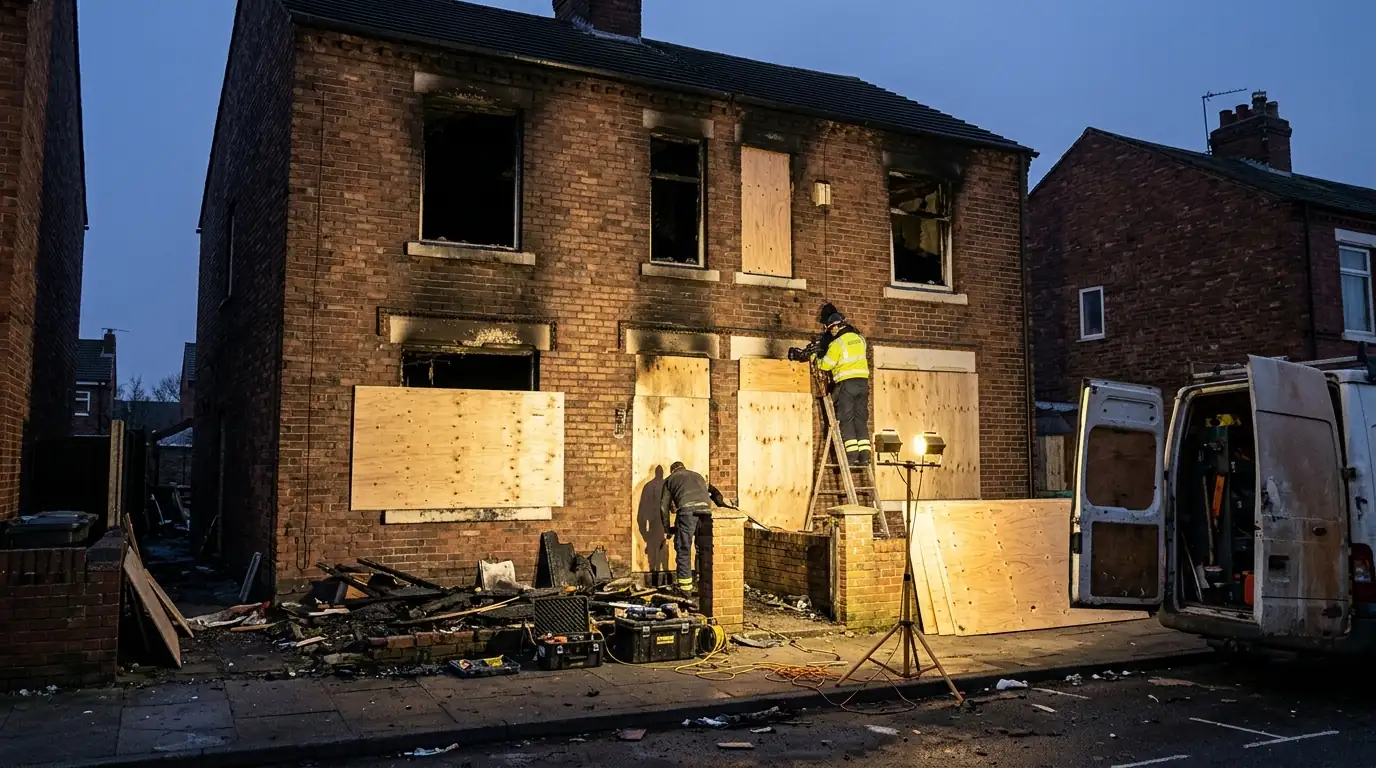
A restoration crew boards up windows and doors, tarps any roof opening, pumps out standing water, starts drying and, in cold weather, drains the plumbing or sets temporary heat. Everything is photographed before and after.
The first week: documents, adjuster and a cleanup plan
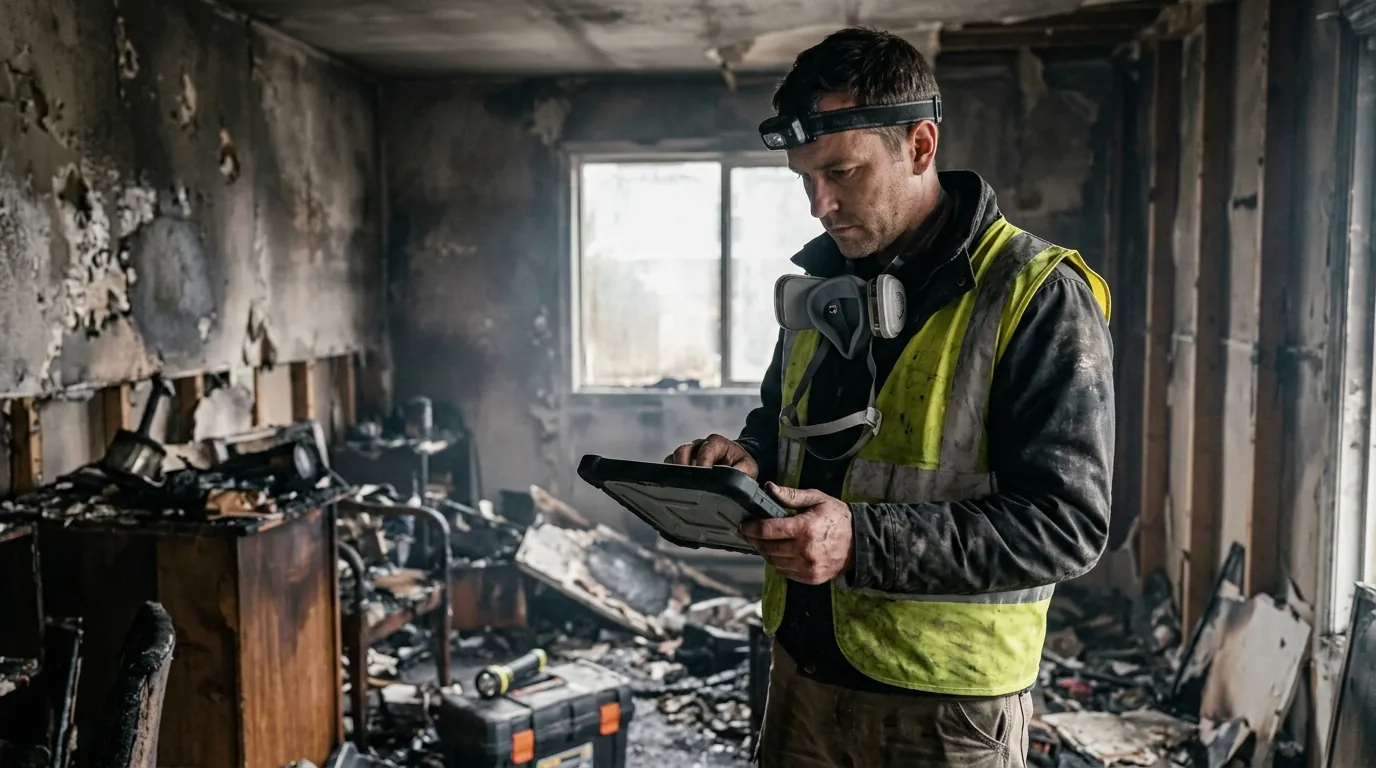
In the first few days, the insurer assigns an adjuster and schedules an inspection. A restoration company documents the loss room by room and writes a scope, which gives the adjuster something concrete to review.
This is also when decisions get made about what can be cleaned and what has to be replaced, whether belongings need to be packed out, and how long the household will be out of the house.
- Keep a log of every call with the insurer and adjuster
- Keep receipts for hotels, meals, clothing and supplies
- Get a copy of the restoration scope and photos
- Make a rough list of damaged belongings by room
- Ask the adjuster how contents and living expenses are handled
If you rent: what changes after a fire
Renters face the same first night with a different set of responsibilities. The landlord's policy covers the building, and the landlord or their insurer decides on board-up, cleanup and repairs to the structure. Your belongings and your living costs are covered only by a renters policy, if you have one.
Tell the landlord right away, in writing as well as by phone, and open a claim with your renters insurer. Photograph your own belongings room by room before anything is moved, since your inventory and the landlord's building record are separate documents.
- Notify the landlord in writing the same day
- Open a claim with your renters insurer
- Photograph your belongings separately from the building
- Ask whether your lease covers rent during repairs
- Keep receipts for hotels, meals and replacement essentials
Questions people ask after a house fire
Only when the fire department releases it. For living there again, the power, gas and air quality usually need to be sorted out first, which can take days or longer.
Both, the same day. The insurer opens the claim; the restoration company protects the house, which most policies expect.
Check your policy wording. Many insurers offer a list as a convenience; read what yours says before assuming you must use it.
Small amounts on washable surfaces, maybe. Soot smears with water and household cleaners, so most smoke damage is better left to professionals.
They are photographed, sorted and either cleaned or listed for the claim. See contents pack-out and storage.
Do not throw anything away before it is photographed and listed, even items that are obviously ruined.