Quick answer
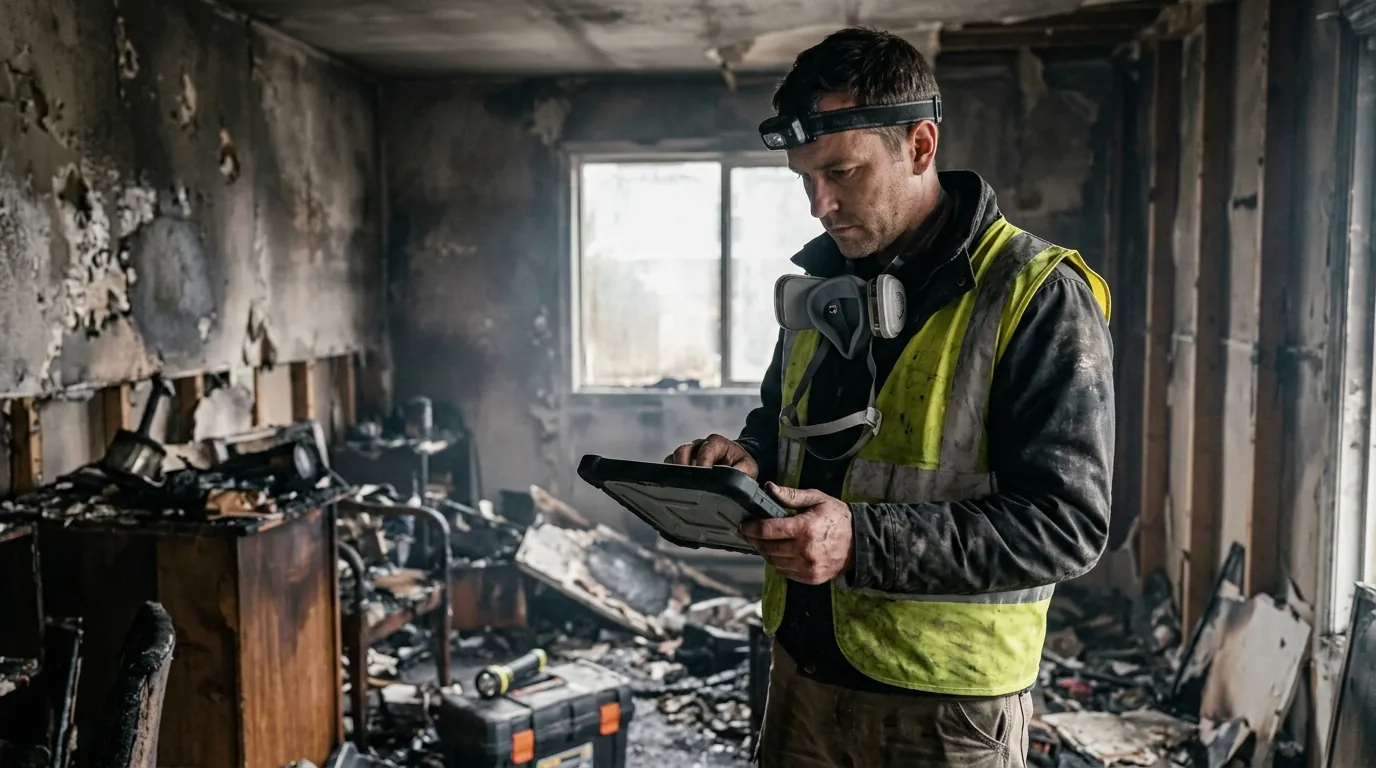
Fire damage restoration in Detroit typically runs from about $3,083 to $52,031 per project, with a national average near $27,477, or roughly $4 to $7 per square foot, according to Angi. Smoke cleanup alone runs about $200 to $1,200 per room. The size of the burn, how far smoke spread and how much must be rebuilt decide where a job lands.
What national cost guides say a fire job costs
There is no official price list for fire restoration, but several national cost guides publish ranges based on completed jobs. They do not agree exactly, which tells you how much individual jobs vary, but they land in the same territory.
Treat these as planning figures. A written scope from someone who has walked your house is the only real number.
| Measure | Published range | Source |
|---|---|---|
| Whole fire restoration project | $3,083 to $52,031, average about $27,477 | Angi |
| Per square foot of affected area | $4 to $7, average about $5.50 | Angi |
| Fire and smoke restoration, national average | $2,900 to $38,325, average about $20,470 | LawnStarter |
| By home size | 1,000 sq ft: $4,000 to $7,000; 2,000 sq ft: $8,000 to $14,000 | HomeAdvisor |
| Smoke damage cleaning per room | $200 to $1,200 | Angi |
Ranges as published by each source; they are national figures, not Detroit quotes.
What each part of a fire job costs
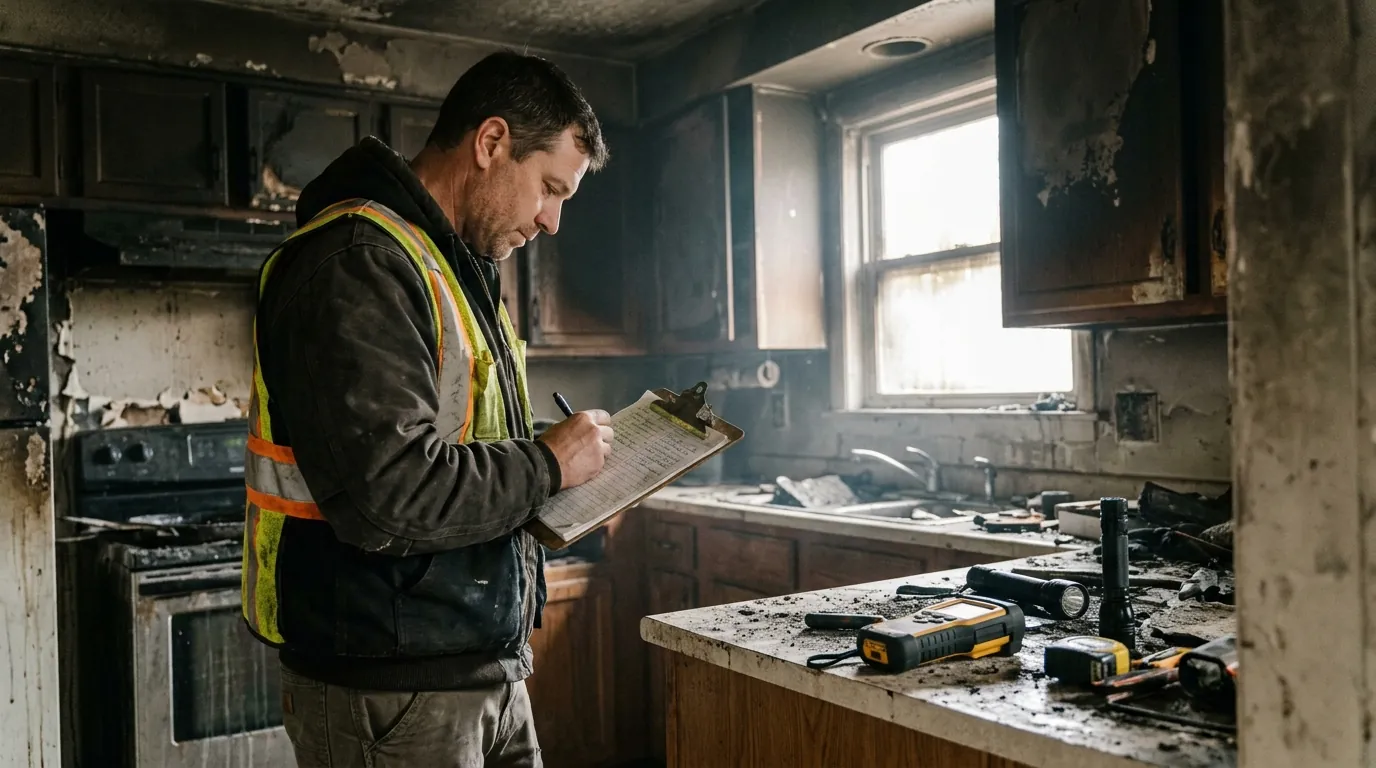
A fire job is really a bundle of smaller jobs. Seeing them separately helps when you read an estimate, and when you talk to an adjuster about what the claim should include.
| Line item | Published range | Source |
|---|---|---|
| Emergency board-up | $400 to $1,200 | Midwest contractor |
| General deep clean after light smoke | $120 to $300 | Angi |
| Smoke deodorizing | $200 to $1,000 | Angi |
| Duct cleaning after smoke | $150 to $800 | Angi |
| Ozone treatment | $200 to $800 | Angi |
| Thermal fogging | $200 to $600 | Angi |
| Painting and sealing after smoke | $400 to $1,600 | Angi |
| Furniture and textile deodorizing | $200 to $1,000 | HomeAdvisor |
| Temporary housing during repairs | $500 to $3,000 per month | Angi |
Want a real number for your house? Call and we will walk it and write an itemized scope.
Call (313) 391-5430Why older Detroit houses can cost more to restore
Wayne County has the oldest housing in the region; its median home was built in 1956, and about one in five homes dates from 1939 or earlier. Older houses usually cost more to restore after a fire, for reasons that have nothing to do with the size of the burn.
Plaster walls take longer to repair than drywall. Open wall cavities let smoke travel further. Older materials often need testing for asbestos or lead before tear-out. Basements collect firefighting water. And matching old trim, flooring and plaster during the rebuild takes more labor than installing new stock.
The upside is that a lot of that old material is worth saving. Solid plaster, old-growth framing and original hardwood often clean, seal or refinish well, which keeps the rebuild part of the bill down when the house is assessed carefully instead of stripped by default.
What pushes a job up, and what keeps it down
The biggest cost drivers are mostly set by the fire itself, but a few depend on what happens in the first days.
- How many rooms the smoke reached, not just the burned room
- The type of residue: oily and protein residues cost more to clean than dry soot
- Water damage from firefighting, especially in basements and ceilings
- Structural damage to framing, roofs and floors
- How quickly the house was secured and dried, since delays let damage grow
- Contents: how many belongings need cleaning, storage or replacement
What insurance usually covers
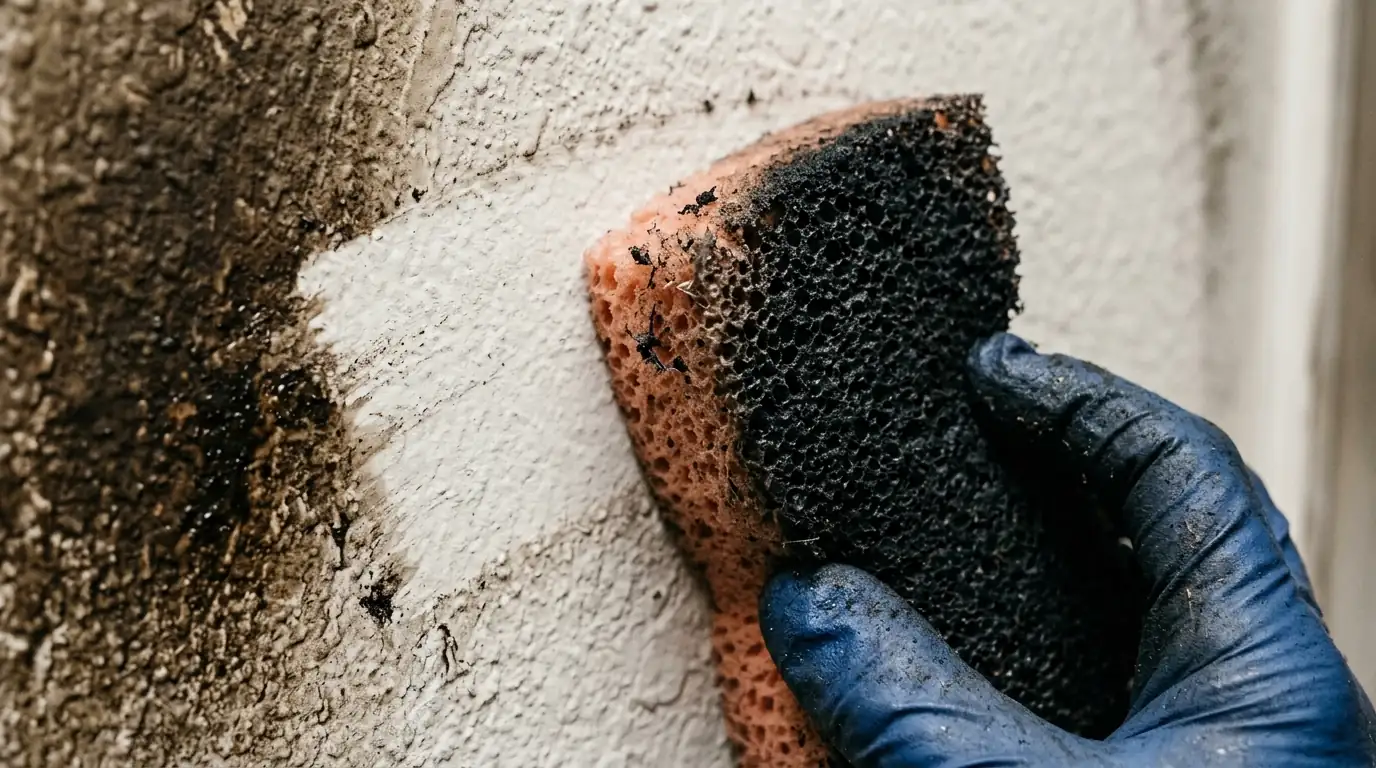
Standard homeowners policies generally cover sudden fires, including the smoke and soot they cause, the water used to put them out, and often temporary living expenses. What they pay depends on your limits, deductible and the policy wording on matching, code upgrades and contents.
The practical point: a complete, itemized scope with photos is what gets damage paid for. Anything not documented before it is cleaned, removed or covered up is hard to add later. Our guide to filing a fire insurance claim in Michigan goes through the steps.
How to read a restoration estimate
A good estimate is itemized: rooms, quantities and line items you can check against what you see in the house. Be wary of a single lump sum, or of an estimate that skips rooms the smoke clearly reached.
- Every affected room listed, including closets and the attic
- Quantities, such as square feet of wall cleaned or replaced
- Separate lines for cleaning, deodorizing, ducts and contents
- Clear notes on what is cleaned versus replaced
- Upgrades priced separately from claim work
A small kitchen fire versus a whole-house fire
Most fire jobs fall into one of two shapes. A small kitchen or electrical fire that is put out quickly usually means smoke cleaning across a few rooms, some deodorizing, duct cleaning and a repaint. Those jobs tend to sit near the low end of the published ranges, priced room by room.
A fire that burns through a room, a roof or the framing is a different job: tear-out, structural repair, drying, full cleaning of the rest of the house, contents work and a rebuild. Those sit at the high end, and the rebuild is often the largest single part of the bill.
Many jobs fall somewhere in between, which is why the published averages are less useful than an itemized scope for your own house.
Costs that are easy to forget
Some of the money a fire costs never shows up on the restoration estimate. Knowing about them early helps you ask the right questions of your agent and adjuster.
- Temporary housing, meals and laundry while the house is closed
- Storage for belongings that were packed out
- Replacement of clothing, food and essentials in the first days
- Code upgrades required when walls are rebuilt
- Your deductible, which comes off the top of the claim
Fire restoration cost questions
National guides put the average around $20,000 to $27,500, with most jobs between a few thousand and roughly $50,000. Your house could be well outside that range.
About $200 to $1,200 per room according to Angi, depending on residue and surfaces.
Standard policies generally cover sudden fires, smoke and firefighting water, within your limits and deductible.
Older houses, heavy water damage, oily residue and structural repairs all push costs up. Ask for the line items behind the total.
Cleaning is usually cheaper for sound materials and belongings; replacement wins when items are charred, warped or heavily saturated.
Call and ask; we walk the house and explain the scope before work starts.