Quick answer
Ozone, thermal fogging and hydroxyl all neutralize smoke odor after cleaning. Ozone works in hours but needs an empty house; thermal fogging reaches wall cavities and closets but also needs the house empty during treatment; hydroxyl is slower, over days, but can run with people and pets at home. Each costs a few hundred dollars per treatment in national cost guides.
First: why none of them replaces cleaning
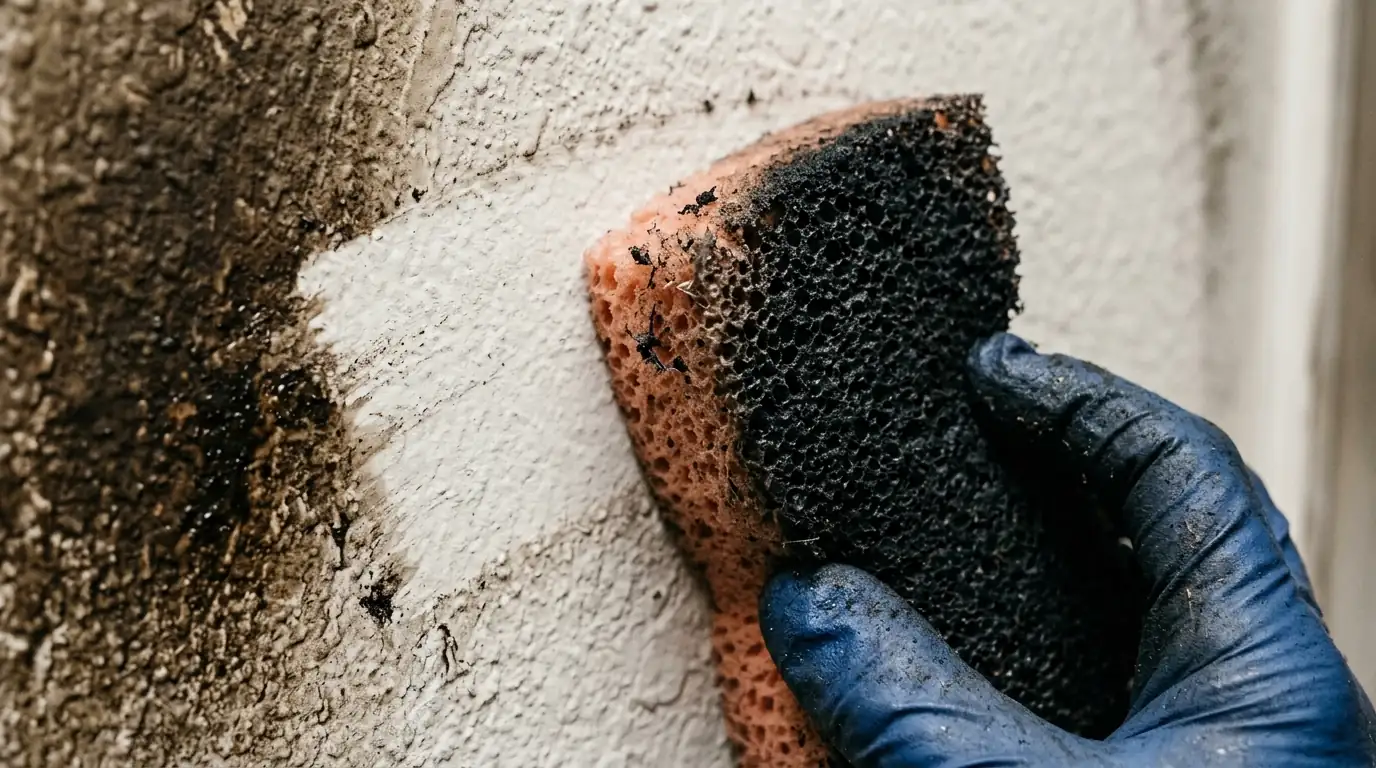
Smoke odor comes from residue on surfaces and in materials. Odor treatments neutralize what remains after the residue is cleaned off or removed; they do not lift soot from walls or pull smoke out of insulation.
A house treated before it is cleaned will usually smell fine for a few days and then smell again, because the residue is still there. Every reputable cleanup runs deodorizing as one of the last steps, after cleaning, removal and duct cleaning.
How ozone works
An ozone generator turns oxygen into ozone, a reactive gas that breaks down odor molecules in the air and on surfaces. In a sealed, empty house it can work through a whole floor in hours. After treatment, the house is aired out until the level drops.
Ozone is a lung irritant, so people, pets and plants stay out while it runs and until the house is ventilated. Long or repeated treatments can also fade some fabrics and dry out rubber and some plastics, so sensitive items come out first. It is especially useful for contents chambers, where belongings are treated together in a sealed room.
How thermal fogging works
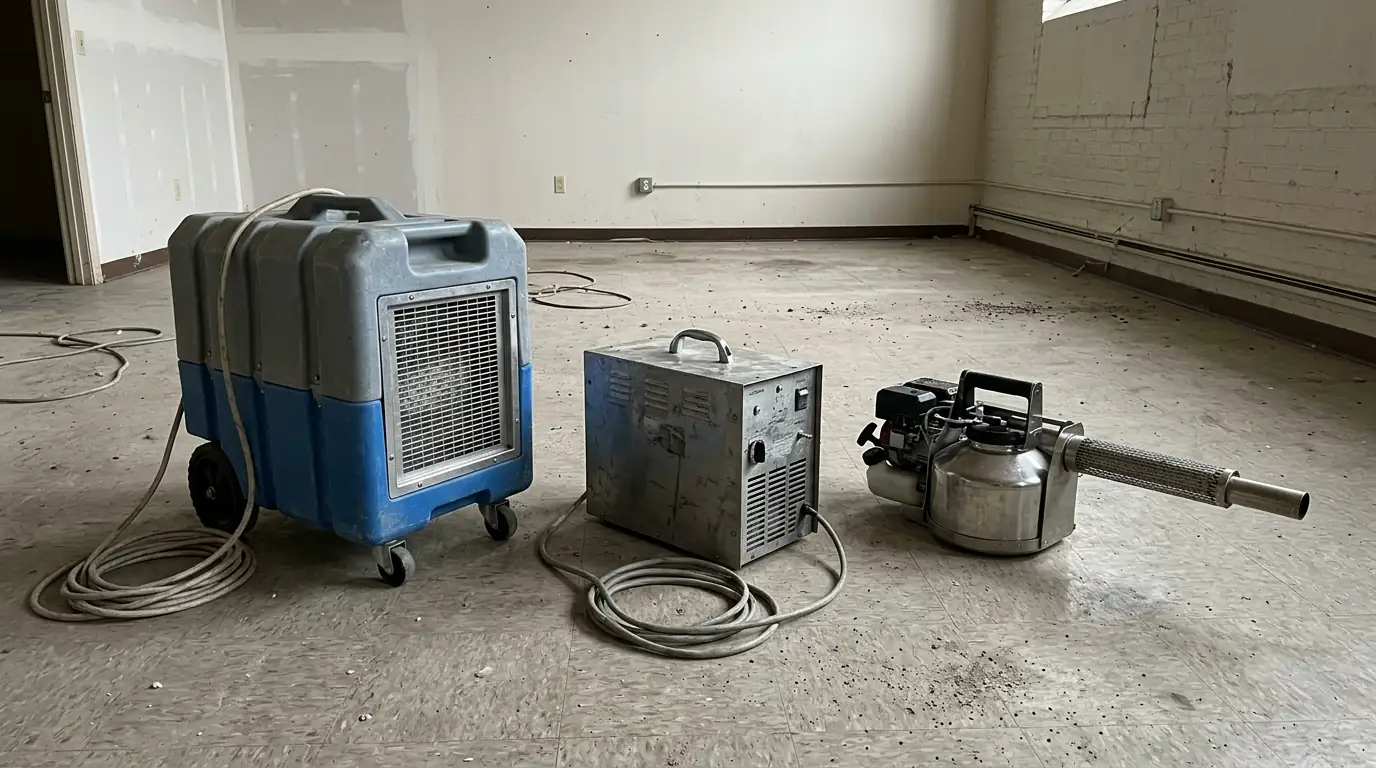
A thermal fogger heats a deodorizing solution into a fine, warm fog with particles small enough to drift the way smoke did: through gaps around outlets, into wall cavities, up into closets and behind cabinets. It meets residue where smoke left it.
That reach is its main advantage, especially for odor hiding in cavities and closets, and for open framing after demolition. The house is empty during treatment and ventilated afterward, and a light film may need wiping from hard surfaces.
Not sure which treatment fits your house? Call and we will check where the odor is before choosing.
Call (313) 391-5430How hydroxyl works
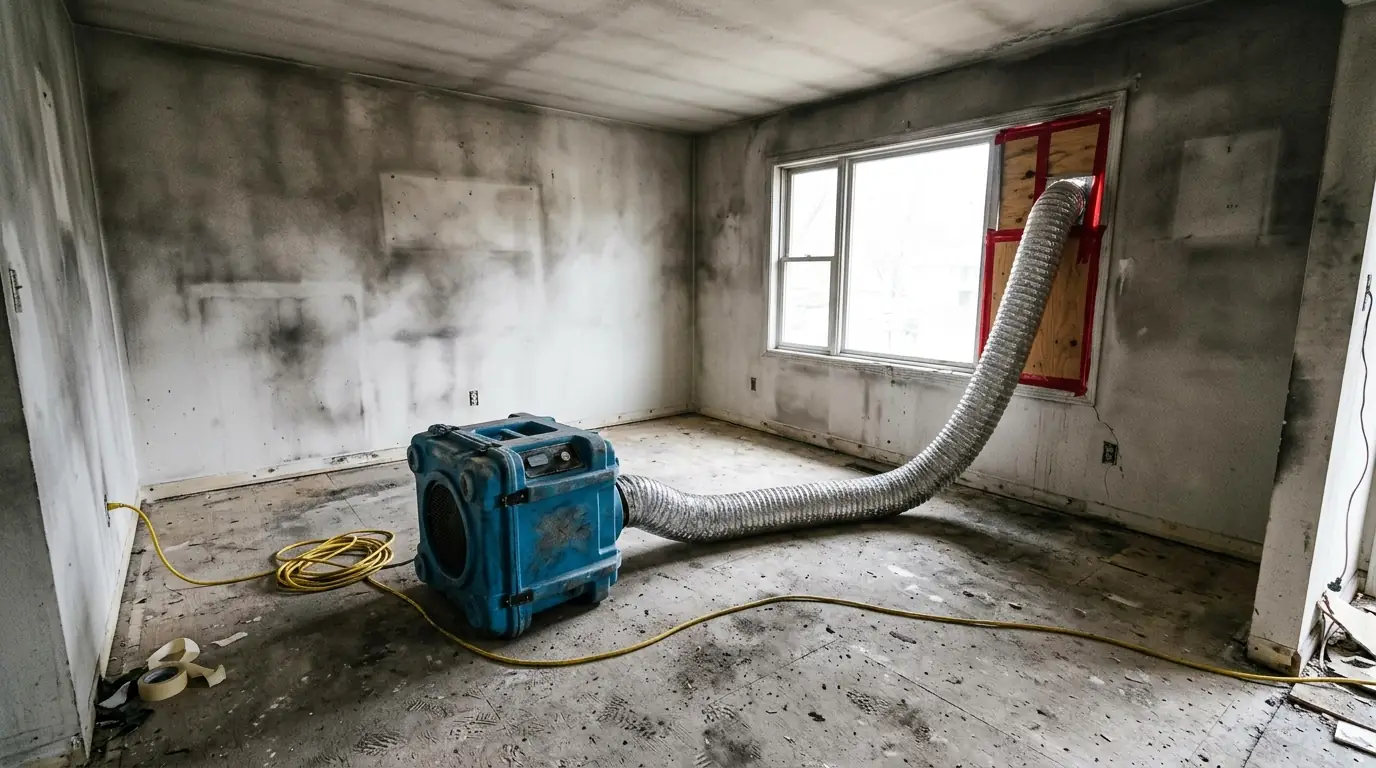
Hydroxyl generators use ultraviolet light to produce hydroxyl radicals, the same reactive molecules that break down odors in outdoor air. They work on odor in the air and on exposed surfaces, more gently than ozone.
The big advantage is safety: hydroxyl can run with people and pets in the house, which makes it the default for occupied homes and for houses with sensitive materials like artwork and electronics. The tradeoff is speed; it usually runs for days rather than hours.
Side by side
Most real jobs use more than one: hydroxyl in occupied rooms, fogging for cavities and closets, and ozone for an empty house or a contents chamber.
| Ozone | Thermal fogging | Hydroxyl | |
|---|---|---|---|
| People and pets at home | No, house empty and aired out | No, during treatment | Yes |
| Speed | Hours | Hours | Days |
| Reaches wall cavities and closets | Partly | Yes | Partly |
| Risk to materials | Some fabrics, rubber, plastics | Light film on surfaces | Very low |
| Published cost range | $200 to $800 | $200 to $600 | Priced by days of equipment |
Ozone and thermal fogging ranges from Angi's smoke remediation cost guide; hydroxyl is usually priced by equipment days.
Which one fits your house
The decision usually comes down to a few questions about the household and where the odor is.
- Someone has to stay home, or there are pets: hydroxyl
- Odor is inside walls, closets or open framing: thermal fogging
- The house can be empty for a day: ozone or fogging
- Belongings still smell after cleaning: ozone in a contents chamber
- Valuable art, electronics or fabrics in the space: hydroxyl
Renting an ozone machine yourself
Ozone generators are easy to buy or rent, and for a car or a small closet with light odor a homeowner can use one carefully, with nobody inside and the space aired out afterward.
For a house after a fire, the problem is rarely the machine; it is the cleaning that should come first and the ducts, attic and cavities that hold residue. Running ozone in a house that has not been cleaned, or with people coming and going, does more harm than good. Our guide on why smoke smell comes back explains where to look first.
Treating the house versus treating your belongings
The structure and its contents are often treated differently. Walls, framing and cavities get cleaned and then fogged or treated with hydroxyl or ozone in place. Belongings that still smell after cleaning, like books, furniture and shoes, are often treated together in a sealed room or container where ozone can run safely without anyone nearby.
Fabrics are usually washed or dry cleaned first, then deodorized only if needed. Items that ozone can damage, like leather, natural rubber and some artwork, are kept out of the chamber and treated with hydroxyl or cleaned by hand instead.
Questions to ask before any odor treatment
A few questions tell you whether a treatment is being used properly or as a shortcut.
- Has the soot been cleaned off every affected surface first?
- Have the ducts, blower and coil been cleaned?
- Which treatment, and why that one for this house?
- Who has to leave the house, and for how long?
- Which belongings come out before treatment?
- How will you check the result, room by room?
Odor treatment questions
It depends on the house. Hydroxyl for occupied homes, fogging for cavities and closets, ozone for empty houses and contents chambers. Many jobs use two.
Not for people or pets while it runs. The house must be empty during treatment and aired out afterward.
Yes. That is its main advantage over ozone and fogging.
Often one after thorough cleaning. Heavy odor can need a second treatment or a combination of methods.
Because residue was left behind. Treatments only work after cleaning, removal and duct cleaning.
See ozone treatment and thermal fogging.