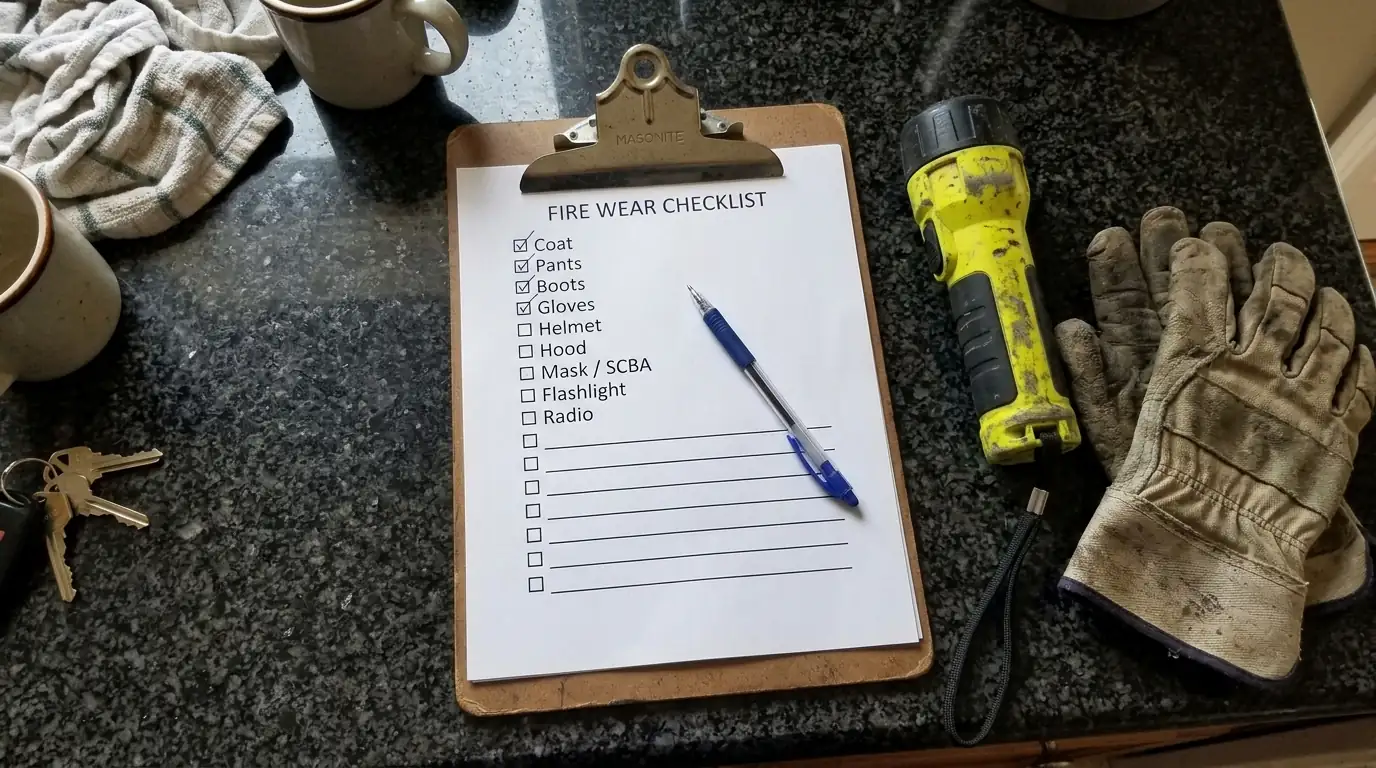
Quick answer
For property managers and adjusters, we secure the property the same day, document the building and each affected unit separately with dated photos and moisture and residue readings, and prepare a line-item scope that separates fire-related work from pre-existing conditions and upgrades. Communication goes through one project contact, with updates at agreed points.
First response and securing
Most managed-property fires are reported by a tenant, a neighbor or the fire department. We answer the line around the clock, and the first visit focuses on what protects the building and limits the claim: board-up, roof tarping, water removal, temporary fencing for vacant structures and winterizing when the heat is off.
If the building has occupied units next to the fire, we check those first for smoke and water so you can decide quickly who stays and who needs to be relocated.
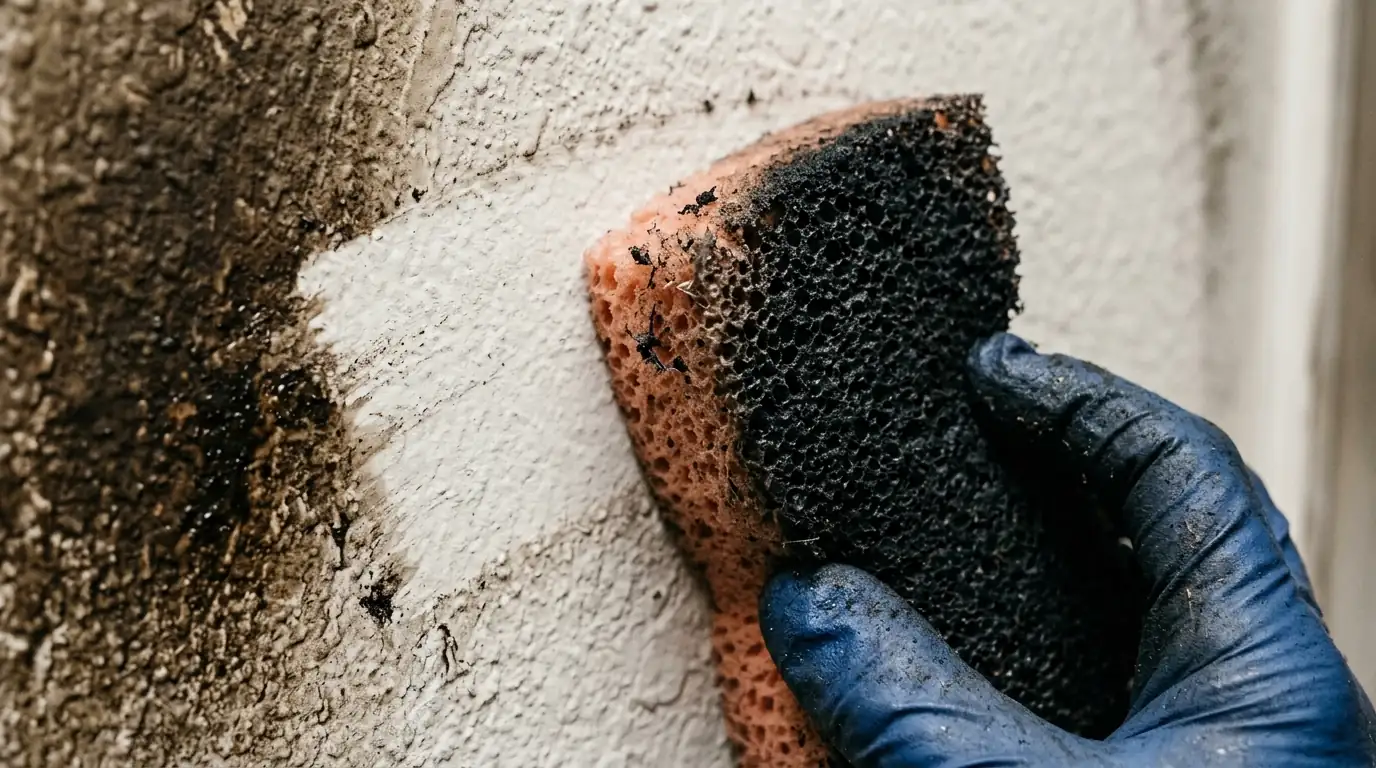
Documentation adjusters can use
Every job starts with a photo record of every affected area before anything is moved, plus moisture readings where firefighting water reached and residue testing where smoke traveled. Readings are dated and tied to rooms or units.
The scope is line-item and organized by area, with fire-related work separated from pre-existing conditions. Where an owner wants upgrades during repairs, those are priced separately so the claim stays clean.
Managing a fire loss right now? Call the line and we will secure it today.
Call (313) 391-5430Multi-unit buildings and tenants
In apartment buildings, duplexes and two-family flats, we document the building and each unit separately, and keep tenant belongings apart from owner property in both the inventory and the pack-out. That makes it easier for the owner's carrier and each tenant's renters carrier to settle their parts.
Tenants get a clear point of contact for retrieving belongings and for questions, so your office is not fielding every call.
Vacant and turnover properties
Vacant houses and units between tenants are the most exposed after a fire: open windows, stripped utilities and no one watching. We board up, fence where needed, set up lockboxes and controlled access, and drain plumbing in cold weather.
Repairs are scoped to a rentable standard, with photos at each stage you can use for turnover, inspections and the claim.
Communication and reporting
Each loss has one project contact. Updates come at the points you choose, typically after the inspection, after mitigation and before repairs start, with photos and the current scope.
If you manage a portfolio, we can keep a simple record per property so your team can see what was done and when.
What helps on day one
A few details on the first call let us send the right crew and equipment and avoid a second trip.
- Property address, unit numbers affected and whether units are occupied
- Who can authorize emergency work and sign for it
- Access details: keys, lockbox codes, gate or alarm information
- Whether utilities are on, off or shut by the fire department
- The carrier and claim number if a claim is already open
Scopes, pricing and approvals
Emergency work to protect the property starts right away. Repairs are scoped line by line with photos, and we work through approvals with the carrier and the owner before rebuilding starts.
If an owner wants to upgrade finishes while units are open, those items are listed and priced separately, so the carrier sees only the fire-related scope and the owner sees exactly what the upgrades cost.
Questions from managers and adjusters
Yes. Building, owner contents and each tenant's belongings are documented and inventoried separately.
Yes, dated and tied to rooms or units, along with the photo record.
Priced separately from fire-related work so the claim stays clean.
Yes. Board-up, fencing and controlled access can start on the first visit.
One project contact per job, with updates at the points you agree.
Yes, across our service region. See the service region page.